living in limbo: school, friends, wellbeing, identity, and discovery.
There is a particular stage of life that rarely receives a clear name.
It sits somewhere between childhood and adulthood. Between certainty and independence. Between being told who you are and slowly beginning to decide that for yourself.
For many young people, this stage feels less like a transition and more like a kind of limbo.
School continues each day with its familiar routines: classes, assessments, expectations about the future. Friendships evolve, sometimes strengthening and sometimes quietly shifting. Conversations about wellbeing become more common, yet understanding what that actually means can still feel uncertain.
At the same time, identity begins to take on a deeper significance. Questions about who you are, what you value, and where you belong start to appear more frequently, even if they are not always spoken aloud.
It is a period defined less by answers and more by discovery.
The strange balance of certainty and uncertainty
One of the most unusual aspects of this stage of life is the contradiction it often contains.
Young people are frequently encouraged to think seriously about the future. Teachers ask about career plans. Families ask about goals and ambitions. Society presents the idea that by a certain age, people should begin to know where they are heading.
Yet internally, many young people feel as though they are only just beginning to understand themselves.
Interests change. Friend groups shift. Perspectives evolve. Things that once felt important may begin to feel different, while new questions slowly take their place.
This tension between expectation and exploration can create the feeling of standing in two places at once. On the outside, life appears structured and forward-moving. On the inside, many things are still being quietly worked out.
Living in limbo does not necessarily mean something is wrong. Often, it simply means that growth is happening.
School as both structure and pressure
For many young people, school acts as the central structure around which life is organised.
It provides routine, community, and opportunities for learning. It also introduces pressures that can shape how young people see themselves.
Grades, performance, and achievement can begin to feel closely tied to identity. Success in certain subjects may lead someone to believe they are “good at something,” while difficulties in others can quietly influence confidence.
At the same time, school environments can also become places where social dynamics evolve quickly. Friendships change as people grow and discover new interests or perspectives.
Someone who once felt completely at ease in a group may begin to realise that their values, identity, or goals are shifting in different directions. These changes are rarely dramatic. More often, they unfold gradually, through small moments of reflection.
Learning who you are often involves recognising who you are becoming — and sometimes who you are no longer.
Friendship during years of change
Friendships during adolescence and early adulthood often carry a special intensity.
Friends are not just companions; they are often witnesses to one another’s lives. They share school days, conversations about the future, worries about exams, excitement about opportunities, and moments of uncertainty.
Because of this closeness, friendships can become deeply meaningful. They offer belonging at a time when identity is still developing.
But friendships can also shift as individuals grow.
Some friendships deepen as people learn more about each other. Others change as interests, values, or experiences begin to diverge. These changes can feel confusing or even painful at times.
It is easy to interpret them as loss. Yet they are often part of the same process of discovery that shapes identity.
Growing into yourself sometimes means allowing relationships to evolve as well.
Wellbeing in a time of transition
In recent years, conversations about wellbeing have become more visible in schools and communities.
Young people are increasingly encouraged to think about mental health, emotional balance, and self-care. These conversations can be helpful, but they can also feel abstract.
What does wellbeing actually look like when you are navigating academic expectations, friendships, family responsibilities, and questions about identity all at once?
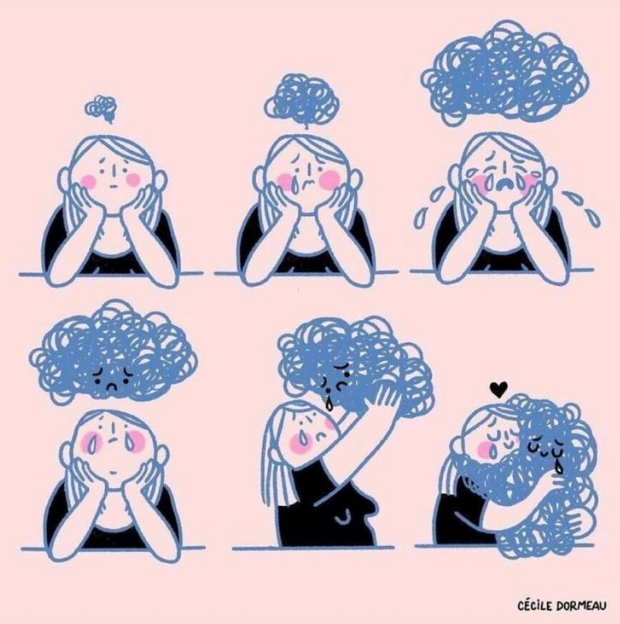
For many young people, wellbeing is not a constant state of calm or clarity. It is something more fluid.
Some days feel productive and confident. Other days feel uncertain or overwhelming. Periods of motivation may be followed by moments of doubt.
This fluctuation is often part of the process of growing and adapting. Yet when people feel they are expected to always appear stable or composed, it can create pressure to hide uncertainty.
The reality is that wellbeing during these years often involves learning how to navigate complexity rather than avoiding it.
Identity as an unfolding process
Identity is sometimes imagined as something that appears suddenly — a clear understanding of who you are and what defines you.
In reality, identity tends to develop gradually.
Young people explore different interests, perspectives, and communities. They learn from their environments, from their families, and from the people around them. They encounter ideas that resonate with them and others that challenge what they previously believed.
For some, this process includes exploring aspects of identity related to culture, sexuality, gender, language, or community belonging. For others, it involves discovering passions, values, or aspirations that shape their future.
These discoveries rarely happen all at once. They appear through experiences, conversations, and moments of reflection.
Living in limbo often means allowing identity to unfold at its own pace.
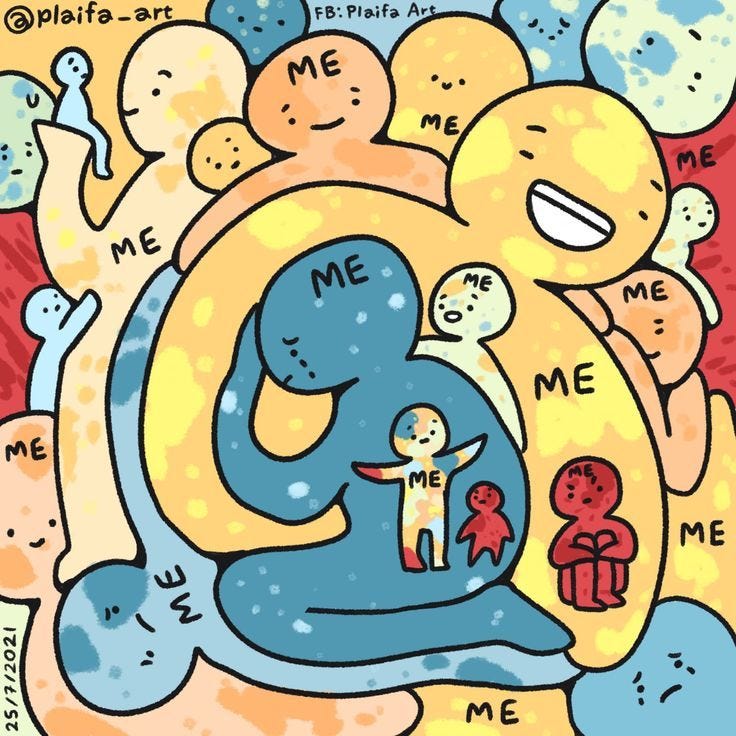
Discovery rarely follows a straight line
One of the most reassuring truths about this stage of life is that discovery rarely follows a predictable path.
There may be moments when everything feels clear, when goals seem obvious and identity feels stable. There may also be moments when those certainties begin to shift again.
This does not mean progress is being lost. It simply means that learning about yourself is rarely linear.
The process of exploration involves questioning assumptions, encountering new ideas, and gradually forming perspectives that feel authentic.
In many ways, this period of limbo is not a pause between stages of life. It is a stage in itself.
The value of the in-between
Although uncertainty can feel uncomfortable, the in-between years hold a unique kind of possibility.
They offer space for curiosity. They allow young people to experiment with ideas, relationships, and ambitions without needing everything to be final.
This openness can be difficult to appreciate while it is happening. When the future feels unclear, it is natural to wish for more certainty.
But discovery requires room to unfold.
And the period of limbo — as confusing as it may sometimes feel — is often where that unfolding quietly begins.
Moving forward without all the answers
Many young people feel pressure to present themselves as though they have already figured everything out.
In reality, very few people do.
Living in limbo does not mean being lost. It means being in the process of becoming.
School, friendships, wellbeing, and identity will continue to evolve over time. New experiences will reshape perspectives, and new opportunities will reveal paths that were previously invisible.
The important thing is not having every answer immediately.
It is allowing yourself the space to ask the questions.
Because sometimes the most meaningful discoveries begin during the moments when life feels uncertain — when you are standing in the quiet space between who you were and who you are still learning to become.
— The Aletheia Project
Originally published by The Aletheia Project on Medium.