
shame: the 10th “inside out” emotion.
In Pixar’s Inside Out, emotions are personified as bright, expressive characters living inside the mind. Joy, Sadness, Anger, Fear, and Disgust shape how the main character experiences the world. Later, more emotions appear as life grows more complex (namely, Anxiety, Envy, Embarassement, and Ennui)
But if there were a tenth emotion quietly standing somewhere in the background, it might look different from the others.
It would not be loud like Anger or dramatic like Anxiety. It would not demand attention the way Joy or Fear does.
It would be quieter.
It would be Shame.
Shame is the feeling that something about you — your body, your identity, your experiences, your needs — is somehow wrong, embarrassing, or unacceptable to talk about. It is not simply embarrassment. It is deeper than that. Shame often convinces people that their struggles should remain hidden.
For many young people navigating questions about health and wellbeing, shame can become one of the most powerful forces shaping their decisions.
And yet it is rarely talked about directly.
The quiet emotion that shapes silence
Unlike emotions that push people to act, shame often pushes people to withdraw.
When shame appears, the instinct is not to share or seek support. The instinct is to hide.
A young person might avoid asking a question in class because it feels embarrassing. They might hesitate to bring up a symptom with a doctor. They might decide not to talk about something they are experiencing, even if it has been troubling them for a long time.
Shame quietly tells them:
This is something you should deal with alone.
In health and wellbeing conversations, this emotion can appear in many different forms. It can emerge around physical health, mental health, sexuality, identity, disability, or personal experiences that feel difficult to explain.
And because shame thrives in silence, the less it is discussed, the stronger it can become.
Where shame begins
Shame rarely appears suddenly. It is usually learned slowly.
Sometimes it begins with small moments. A question that receives an uncomfortable reaction. A comment that suggests certain topics should not be discussed openly. A laugh or dismissive remark that makes someone feel exposed.
Over time, these experiences accumulate.
Young people begin to recognise which topics seem safe to discuss and which ones seem better left unsaid. They learn which parts of themselves are easily accepted and which parts might attract judgement.
For those navigating health and wellbeing concerns, this learning process can shape how comfortable they feel seeking support.
If a person senses that certain conversations will be awkward, dismissed, or misunderstood, they may simply avoid them.
Shame in healthcare settings
Healthcare is meant to be a space where people can speak openly about their bodies and experiences. In reality, many young people find these conversations surprisingly difficult.
Part of this difficulty comes from vulnerability. Talking about health often requires describing personal or unfamiliar sensations. For someone who is already unsure how to explain what they are experiencing, the situation can feel intimidating.
But shame can make it even harder.
A young person might worry that their question sounds strange. They may fear being judged for not knowing something they feel they should already understand. They may worry about how a doctor will react if they bring up a concern that feels personal or sensitive.
These worries are not always based on actual negative experiences. Sometimes they emerge simply from uncertainty.
But when shame enters the room, it can make even simple conversations feel uncomfortable.
The role of identity
For young people from underrepresented or marginalised communities, shame can become intertwined with identity in complex ways.
Members of the LGBTQIA+ community, for example, may hesitate to discuss health concerns if they are unsure whether the environment around them is truly safe or understanding. Even in spaces that appear inclusive, the fear of misunderstanding or judgement can linger.
Similarly, young people from culturally and linguistically diverse backgrounds may grow up in environments where certain health topics are rarely discussed openly. Conversations about mental health, reproductive health, or sexuality may not always have clear language within families or communities.
This does not mean these communities lack care or concern. Often, it simply reflects different cultural traditions around privacy, respect, and communication.
However, when these cultural norms intersect with healthcare systems that expect open discussion, young people can find themselves navigating unfamiliar territory.
They may feel unsure about what can be said and what should remain private.

The weight of misunderstanding
Shame can also emerge when young people feel misunderstood.
For neurodiverse individuals or young people with disabilities, conversations about wellbeing sometimes carry additional layers of complexity. Experiences may not always fit neatly into standard explanations, and communication styles can vary widely.
Similarly, young people of colour or those from refugee or asylum-seeking backgrounds may encounter cultural or systemic barriers that make healthcare spaces feel unfamiliar or difficult to navigate.
When someone senses that their experiences are not easily understood, they may become more cautious about sharing them.
Instead of explaining what they are going through, they might simplify their description — or say nothing at all.
Over time, this hesitation can reinforce the idea that certain experiences are better kept private.
Shame and the experiences of First Nations youth
For many First Nations young people, conversations about health and wellbeing exist within a much deeper historical and cultural context. Health systems in Australia were not built with Indigenous communities at the centre, and the legacy of colonisation, forced assimilation policies, and medical mistreatment continues to shape how institutions are perceived today.
Because of this history, healthcare spaces can sometimes feel unfamiliar or uncomfortable rather than supportive. Trust is something that must be built carefully, and it is not always guaranteed.
Shame can become intertwined with this experience in several ways. Some First Nations young people may feel pressure not to speak about personal health struggles because they do not want to reinforce stereotypes or draw negative attention to their communities. Others may worry about being misunderstood by professionals who lack cultural awareness or knowledge of Indigenous health perspectives.
There is also the reality that wellbeing in many First Nations cultures is understood holistically. Health is not simply physical or individual. It is connected to family, community, culture, land, and identity. When healthcare systems focus narrowly on symptoms without recognising these broader connections, young people may feel that their experiences are not fully understood.
In these moments, shame can quietly appear again. It may discourage someone from asking questions, from returning to an appointment, or from sharing something that feels deeply personal.
Yet across communities, many First Nations leaders, organisations, and health workers continue to emphasise the importance of culturally safe healthcare and youth voices in shaping services. When young people are able to access spaces where their identity, culture, and experiences are respected, the conversation around health changes. It becomes less about hiding concerns and more about strengthening wellbeing in ways that honour both individual and community knowledge.
Reducing shame in healthcare therefore requires more than simply encouraging young people to speak up. It also requires systems that listen carefully, recognise cultural context, and create environments where First Nations youth feel genuinely safe to be heard.
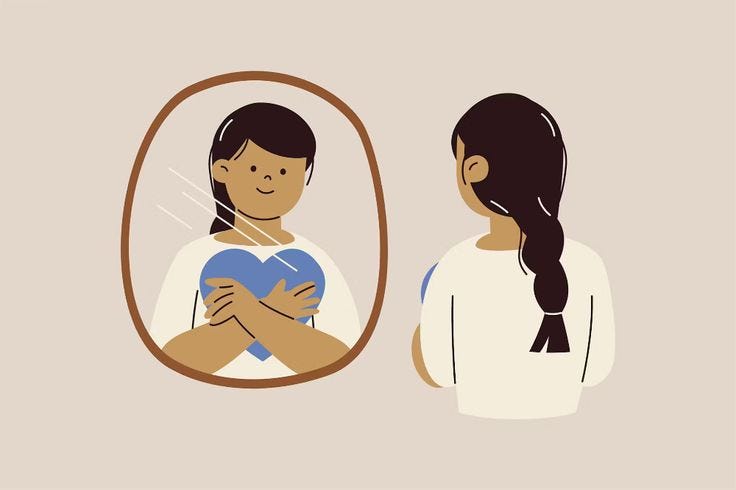
Shame thrives in silence
One of the reasons shame can feel so powerful is that it often operates quietly, for all youth.
Unlike anger or fear, shame does not usually draw attention to itself. It works subtly, shaping decisions before they are even consciously recognised.
A young person might decide not to schedule a medical appointment.
They might avoid bringing up a concern with a teacher or counsellor.
They might dismiss their own feelings before anyone else has the chance to respond.
In each of these moments, shame is performing the same quiet function: keeping experiences hidden.
But the problem with hidden experiences is that they rarely disappear. They simply remain unspoken.
What happens when shame is named
Something interesting happens when shame is acknowledged directly.
The emotion that once felt isolating begins to lose some of its power.
When people realise that many others share similar experiences — similar uncertainties, similar questions, similar fears of judgement — the feeling of isolation begins to soften.
Conversations that once felt impossible become slightly easier.
This does not mean that shame disappears entirely. It is a human emotion, and like all emotions, it will appear from time to time.
But when shame is recognised and understood, it no longer has to control the conversation.
Creating environments where shame fades
Reducing the influence of shame in health conversations requires environments where young people feel respected and understood.
This includes schools that provide inclusive, age-appropriate health education. It includes healthcare spaces where questions are welcomed rather than dismissed. And it includes communities where conversations about wellbeing are approached with curiosity rather than judgement.
Importantly, it also involves recognising the diversity of experiences young people bring into these spaces.
Health and wellbeing do not exist separately from identity, culture, language, or social circumstances. When these factors are acknowledged and respected, it becomes easier for young people to speak openly.
And when young people feel safe enough to speak, the role of shame begins to shrink.
The emotion that does not have to stay hidden
If shame were truly the tenth emotion inside the mind, it would not need to remain hidden in the background.
It would simply need to be understood.
Because once people recognise how shame operates — how it encourages silence, hesitation, and self-doubt — they can begin to respond differently.
They can ask questions even when it feels uncomfortable.
They can share experiences even when the words are still forming.
They can allow conversations about health and wellbeing to happen openly.
And in those moments, shame stops being the emotion that keeps people quiet.
Instead, it becomes the emotion that reminds us how important it is to create spaces where no one feels they have to hide their experiences in the first place.
— The Aletheia Project
Originally published by The Aletheia Project on Medium.