Because the gaps are real,
and they start young.
Our five pillars weren’t chosen at random. Each one answers a gap young people told us about, and that the research backs up: not understanding their bodies or the system, not being believed, not being able to talk about it, not seeing themselves in the information, and not having a say.
Together they make one path: understand your health, speak about it without shame and in your own language, and lead the change for the young people who come next.
 01
Health Literacy 101
What it means
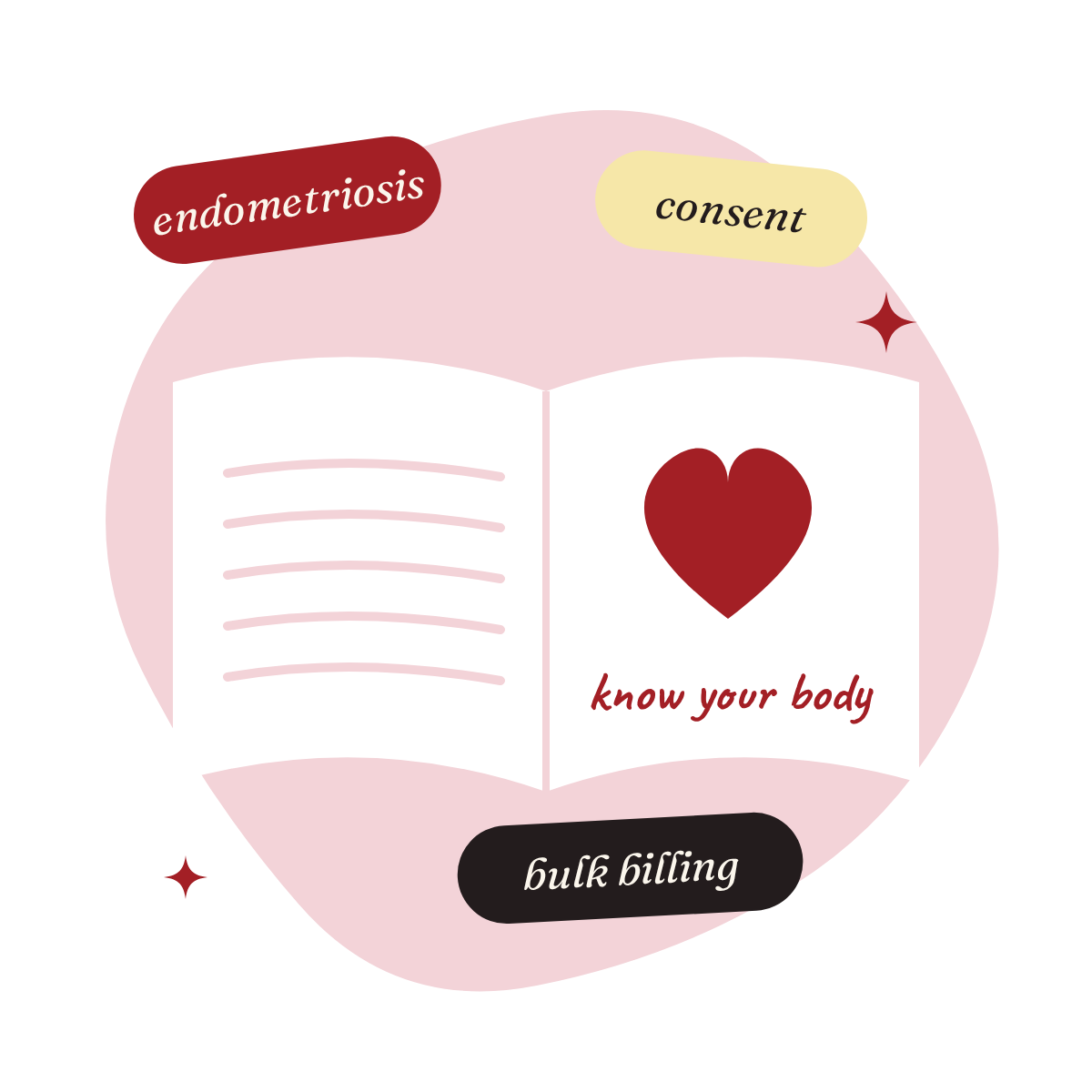
Health literacy is being able to find, understand and use health information to make decisions about your own body. It means knowing what words like endometriosis, consent or bulk billing actually mean, where to go for help, what a referral is, and what your rights are once you’re in the room.
What it looks like
- Knowing the difference between a GP, a specialist and a headspace centre
- Understanding your Medicare card, bulk billing and confidentiality from age 15
- Being able to tell reliable health information from a viral post
Why it matters
How Aletheia responds
 02
Understanding Medical Dismissal
What it means
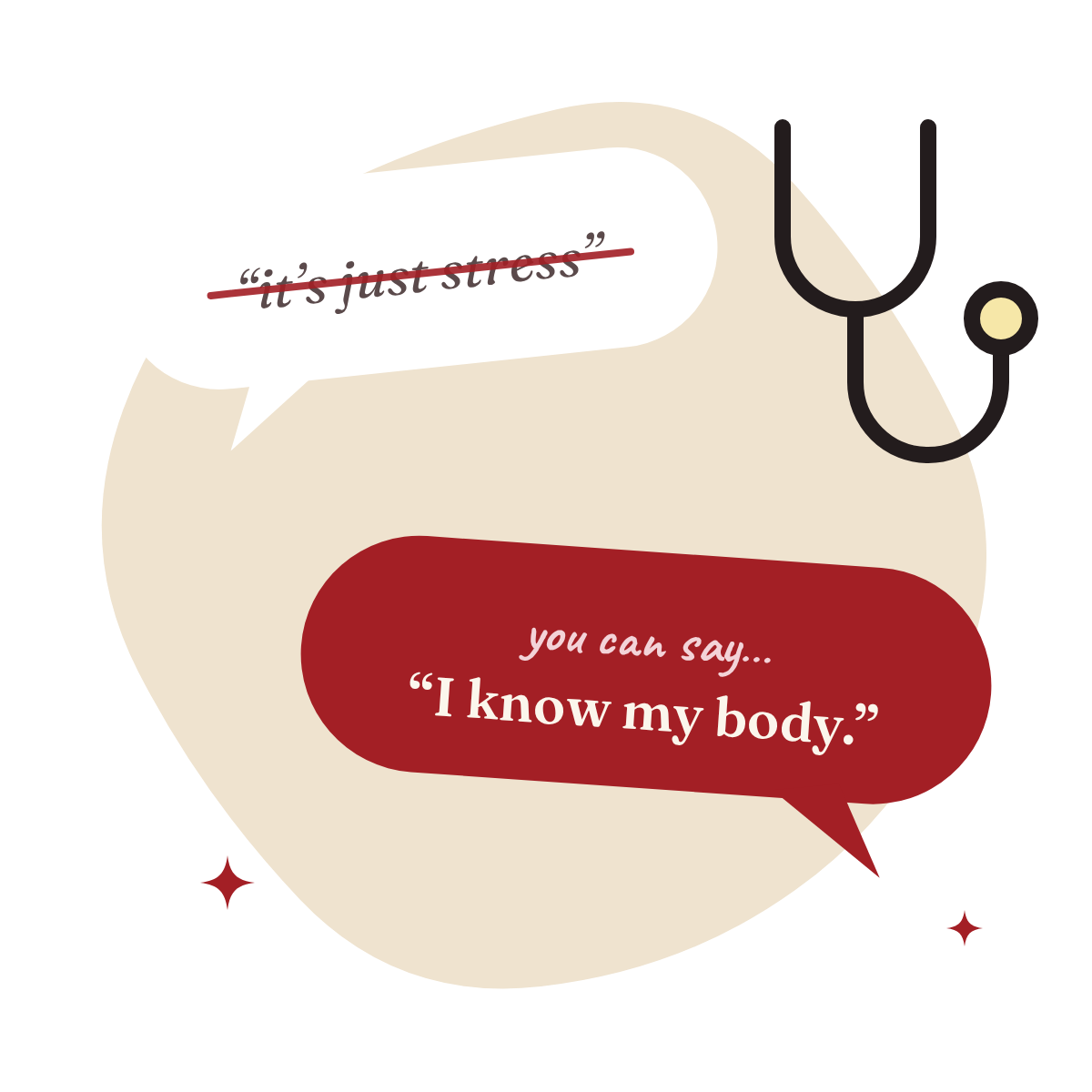
Medical dismissal is when your symptoms, pain or concerns are brushed off, minimised or not believed. It is most often experienced by girls and women, gender-diverse people, and CALD and LGBTQIA+ young people. This pillar is about recognising dismissal when it happens, and having the words and confidence to raise it respectfully and ask for what you need.
What it looks like
- Being told pain is “normal” or “just stress” without being examined
- Waiting years for a diagnosis because symptoms weren’t taken seriously
- Knowing you can ask for a second opinion, a longer appointment, or to have your concern written down
Why it matters
How Aletheia responds
 03
Taboo Uplift
What it means
Some of the most important health topics are the ones no one talks about: periods, sexual and reproductive health, mental health, bodies that don’t fit the textbook. Silence and shame stop young people from asking questions and seeking care. Taboo Uplift replaces stigma, myths and cultural silence with clear, safe, stigma-free information, and makes these conversations ordinary.
What it looks like
- Talking about periods, pain and mental health without shame
- Myth-busting what young people learn online or at home
- Making sure no one misses out on care, or school, because of cost or embarrassment
Why it matters
How Aletheia responds
 04
Diverse Voice Advocacy
What it means
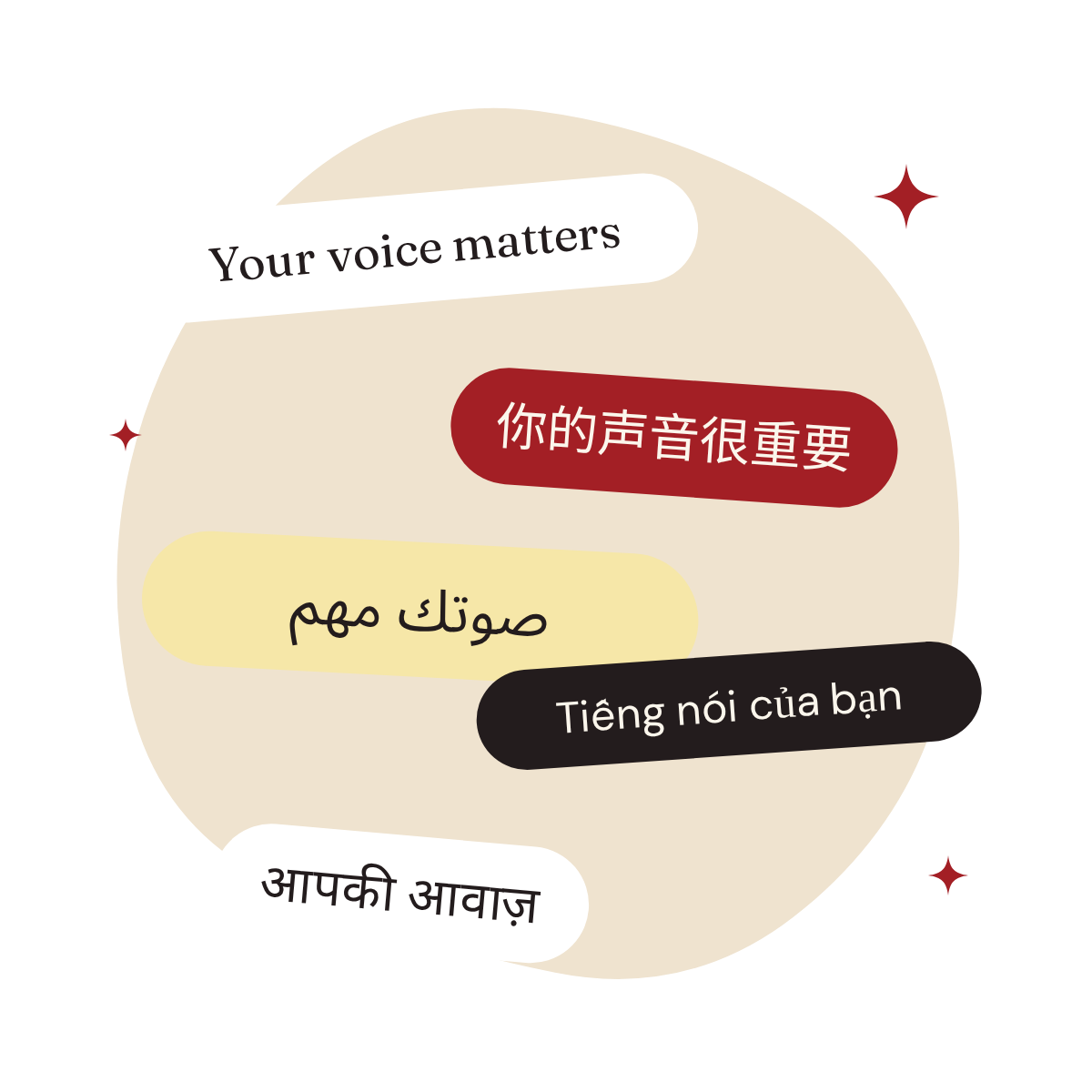
Health information is too often written for one kind of young person. Diverse Voice Advocacy centres the young people most often left out: culturally and linguistically diverse, migrant and refugee, First Nations, LGBTQIA+ and disabled young people. It means resources in the languages families speak at home, examples that reflect real lives, and making sure these young people help decide what gets made.
What it looks like
- Resources translated by bilingual young people and checked by a second volunteer
- Knowing you can ask for a free interpreter at medical appointments
- Examples, stories and images that reflect every kind of young person
Why it matters
How Aletheia responds
 05
Youth-Led Action
What it means
Young people are experts in their own lives. Youth-Led Action puts young people in the room where decisions are made, leading, co-designing and advocating for the health services, resources and policies that affect them, rather than having those decisions made for them.
What it looks like
- Young people designing the resources other young people use
- Youth voices in consultations with councils, services and government
- Young researchers asking their own questions and publishing what they find
Why it matters
How Aletheia responds
Youth health isn’t a niche issue.
It’s the foundation of a healthy society.
The habits, knowledge and confidence young people build now shape their health for life, and the health of the communities, workplaces and families they go on to lead. Investing in young people’s health and voice is one of the smartest things a society can do.
Understand. Speak. Lead.
No single resource fixes a system. That’s why every Aletheia program is built around all five pillars, so young people gain the knowledge, the confidence and the platform to change things, for themselves and for each other.
Understand
Health Literacy 101 and Understanding Medical Dismissal give young people the knowledge and the words.
Speak
Taboo Uplift and Diverse Voice Advocacy make sure every young person can talk about their health, without shame and in their own language.
Lead
Youth-Led Action turns lived experience into better resources, services and policy, which makes the next young person’s path easier.
Sources and references (21)
- Victorian Department of Health, Bridging the Gender Pain Gap: Inquiry into Women’s Pain report (Nov 2025). www.health.vic.gov.au
- ABS, National Study of Mental Health and Wellbeing 2020–22 (2024). www.abs.gov.au
- ABS, National Health Survey: Health Literacy, 2018 (2019). www.abs.gov.au
- ABS, Australian Social Trends: Health literacy (2009, from the 2006 Adult Literacy and Life Skills Survey, the most recent national measure of this kind). www.ausstats.abs.gov.au
- Jean Hailes for Women’s Health, National Women’s Health Survey 2023: Periods and Australian women (2024). www.jeanhailes.org.au
- AIHW, Endometriosis (updated May 2025). www.aihw.gov.au
- Premier of Victoria, “Women’s Pain Is Real” (Nov 2025). www.premier.vic.gov.au
- ABC News, Victoria’s women’s pain inquiry released (Nov 2025). www.abc.net.au
- Share the Dignity, Bloody Big Survey 2024 (Aug 2024). www.sharethedignity.org.au
- Plan International Australia / YouGov (May 2022). www.plan.org.au
- headspace, National Youth Mental Health Survey release (Oct 2023). headspace.org.au
- headspace, National Youth Mental Health Survey release (Oct 2025). headspace.org.au
- Victorian Department of Health, Multicultural Health Action Plan 2023–27 (2021 Census data). www.health.vic.gov.au
- Blay et al., BMC Health Services Research (2018; data from 2014–15). link.springer.com
- Australian Institute of Family Studies, Growing Up in Australia (Jul 2026). aifs.gov.au
- Australian Government Office for Youth, Engage! youth strategy (2024). www.youth.gov.au
- Mission Australia, Youth Survey 2025 (Nov 2025). www.missionaustralia.com.au
- World Health Organization, Health literacy fact sheet (2025). www.who.int
- Sheehan et al., The Lancet (2017), via EurekAlert. www.eurekalert.org
- UN Convention on the Rights of the Child, Articles 12 and 24. www.ohchr.org
- PMNCH (WHO-hosted), Global Consensus Statement on Meaningful Adolescent and Youth Engagement. pmnch.who.int