the auntie network
You know the kind of auntie I’m talking about. The one who always has Panadol in her bag and ten different ways to fix a headache. The one who can whisper “drink hot water” like it’s a prescription from the heavens. Or maybe she’s your older cousin who gives the real version of sex ed; the one that starts with, “Okay, don’t freak out, but here’s what discharge actually means.”
Before Google, before TikTok, before Aletheia even existed, there was the Auntie Network. Not a literal network, but a web of aunties, cousins, older friends, and nosy neighbours who somehow knew everything. They were our unofficial doctors, therapists, and myth-busters.
And honestly? They still are.
where we learned first
For a lot of girls and young people, especially in CALD communities, aunties are the first people to talk about health in a way that actually makes sense. Not the biology-textbook kind of “health,” but the lived version. The whispered advice while cooking dinner. The quiet talk in the car after school. The “don’t worry, this happened to me too” that makes you feel less weird, less alone.
But sometimes that knowledge is patchy. What gets passed down depends on what they were taught, or weren’t. Some aunties learned everything from experience and passed it down with heart but not always with accuracy. Others stayed silent because their mothers stayed silent.
Still, even when it’s imperfect, that exchange – that sharing of stories – is what keeps girls and female-identifying young people connected to each other across generations.
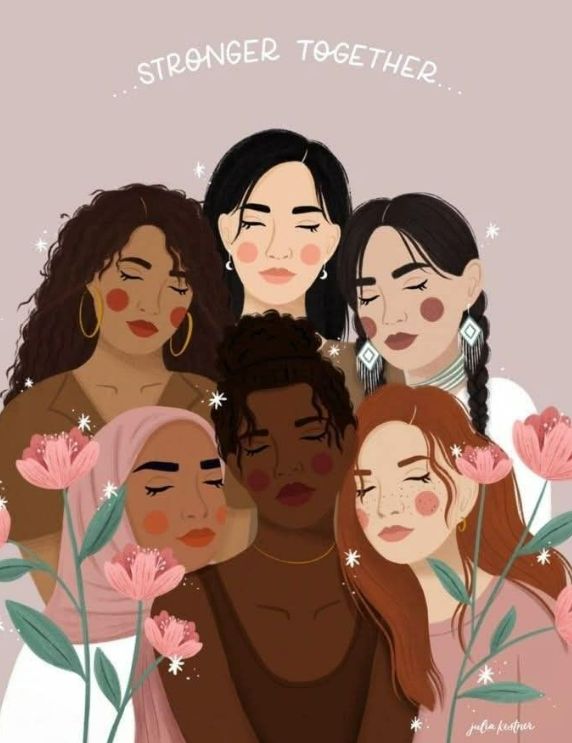
honouring the auntie network
The thing about the Auntie Network is that it’s built on love – messy, stubborn, sometimes misinformed love, but love all the same. It’s survival knowledge passed through whispers, warnings, and weird remedies that sometimes work better than science.
When you think about it, aunties are the original health educators. Before anyone gave us permission to talk openly about our bodies, they just… did it. Quietly. Through coded language and side-eyes. “Drink warm water” really meant “take care of yourself.” “Don’t lift heavy things during your period” really meant “rest – your body needs it.” Even the ones who stayed silent did so because that was the safest option they had in their time.
And that’s why we honour them, not because every bit of advice was correct and medically accurate, but because it was born out of care in a world that didn’t care enough about girls’ health.
But there’s another side to it too. Some auntie wisdom, passed down untouched, can keep some sprinkles of shame alive. You know the lines: “Don’t talk about that.” “Good girls don’t ask those questions.” “You’ll understand when you’re older.” That’s the part that needs gentle rewriting, not erasure.
Honouring the Auntie Network doesn’t mean romanticising it. It means acknowledging where it came from – women who didn’t have Google, who didn’t have health literacy in their language, who learned from other women because the system didn’t care to teach them. It means keeping the good – the solidarity, the care, the cultural connection – while updating the rest.
Think of it as an upgrade, not a replacement. A new generation of aunties who still bring the same warmth but also bring knowledge backed by science, inclusivity, and empathy. The auntie who knows about endometriosis, who says “it’s okay to see a doctor,” who tells you how to describe your pain and how to demand care for it.
Because the auntie role doesn’t die out, but it evolves.
the gaps we inherit
The thing about generational knowledge is that it always carries fingerprints – traces of what each person could and couldn’t say. And that means some lessons reach us perfectly intact, while others arrive half-whispered, half-erased.
You might know how to make ginger tea for cramps because your auntie swore by it, but you might never have learned what a normal period cycle looks like, or that endometriosis even exists. You might have heard “don’t go out in the cold or you’ll catch something” a hundred times, but no one ever explained ovulation.
It’s not because our aunties didn’t care. It’s because they weren’t taught either. When information doesn’t flow freely, it trickles down in tiny, scattered drops, and a lot of it gets lost along the way.
Sometimes that gap feels cultural. Like when you ask about sex or discharge and the conversation dies before it begins. Sometimes it’s linguistic – when there literally isn’t a word for what you’re trying to describe in your family’s language. And sometimes it’s emotional, when generations before us were taught that talking about their bodies was shameful or unsafe.
Those gaps are no one’s fault, but they do shape us. They make us rely on whispers instead of words, Google searches instead of guidance. They make us carry uncertainty like it’s normal. But it really isn’t.
But here’s what’s powerful: once you notice the gaps, you can fill them. You can ask the questions they couldn’t. You can be the one who starts a new version of the conversation, one that’s still tender and cultural, but not censored.
We don’t break the Auntie Network by questioning it. We make it stronger.
the modern aunties
If the old Auntie Network lived in kitchens and phone calls, the new one lives on group chats, Instagram DMs, and late-night voice notes.
The modern aunties aren’t necessarily older; sometimes they’re your friend who sends you TikToks about hormone cycles or the one who randomly knows every contraceptive side effect ever. Sometimes they’re your cousin who says, “girl, that’s not normal, go see someone.” Sometimes they’re creators online, people you’ve never met but somehow trust more than the GP who told you it’s “just stress.”
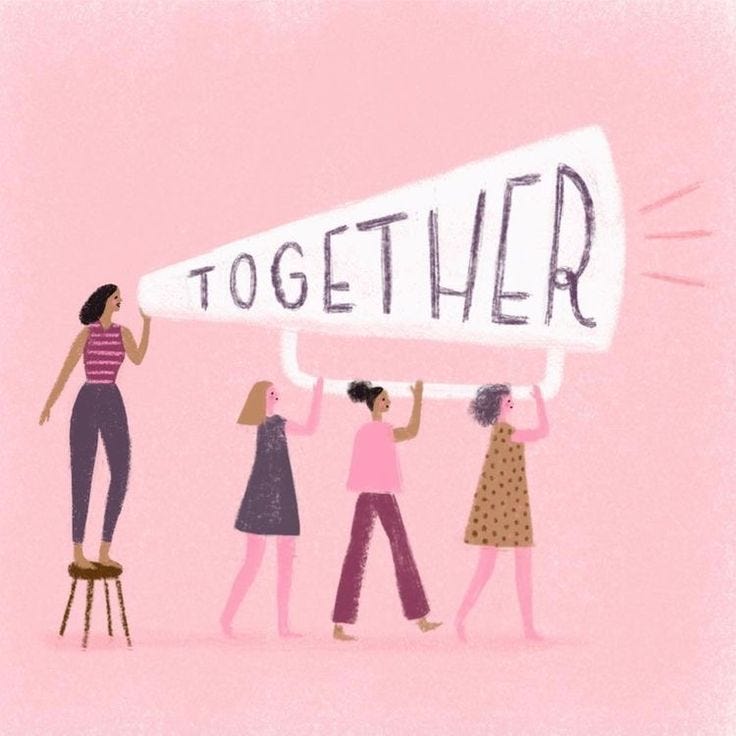
This is what the auntie role looks like now: girls and women holding each other up through information, reassurance, and a sense of “you’re not weird, you’re just human.”
Modern aunties are fact-checkers and comforters. They’ll tell you the proper term for discharge, but they’ll also bring snacks when you get your period two days early. They’ll share posts about endometriosis awareness, then remind you to actually eat something before your appointment. They’re redefining care, less about authority, more about solidarity.
But this new version also comes with responsibility. Because the internet can be full of half-truths and TikTok health hacks that sound convincing but aren’t always safe. The modern aunties have to walk a fine line – keeping the heart of the old network (love, trust, connection) but pairing it with reliable knowledge and open-mindedness.
And honestly, that’s the most beautiful thing about it: the way girls are rewriting what care looks like in real time. No medical degree, no clinical tone – just community, curiosity, and courage.
The Auntie Network didn’t end when our mums stopped whispering. It just moved platforms.
aletheia’s reflection
If there’s one thing all these stories – from aunties, cousins, and older sisters – have in common, it’s that they came from care. Even the silences were, in their own way, a form of protection. But protection built on fear can’t last forever. It turns into distance. It keeps us guessing instead of knowing.
The new Auntie Network is our chance to change that. To take what they gave us, the warmth, the humour, the togetherness, and mix it with what we’ve learned: that knowledge is care, too. That honesty can be protection. That curiosity is not disrespect, it’s love in its loudest form.
Maybe the next generation won’t have to whisper in kitchens or hide pads in sleeves. Maybe they’ll talk about their cramps at lunch like they talk about the weather. Maybe they’ll know that the words “pain” and “period” and “pleasure” belong to them, not just to doctors, or to the brave few who dare to ask.
That’s what Aletheia stands for. Honouring what came before, while making space for what needs to grow next.
So to every girl who’s ever whispered advice in a bathroom, checked on her friend during her period, or said, “hey, that doesn’t sound normal” – you’re part of the Auntie Network now.
Keep talking. Keep teaching. Keep caring loudly.
And standing by your side through all of it will be us.
Giving you all the fire in the world,
The Aletheia Project
Originally published by The Aletheia Project on Substack.