“the teacher said no”
For a lot of us, the first time we realised our questions about our bodies were “too much” didn’t happen in a doctor’s office. It happened in a classroom.
You know the moment: you half-raise your hand in health class, heart racing because you’re not even sure if the question is stupid. Maybe it’s about discharge, or cramps, or whether you can swim on your period. You finally ask and the teacher shuts it down. Sometimes with an awkward laugh, sometimes with a flat “that’s not appropriate,” sometimes with a quick change of subject while the boys in the back row snicker.
And just like that, the message lands: don’t ask. Don’t be curious. Don’t make things weird.
It’s not that teachers are villains, most are just uncomfortable, undertrained, or stuck with a curriculum that skips over the very things girls actually want to know. But the classroom is often the first place where silence is enforced. The first site of dismissal. And that dismissal echoes long after the bell rings.
The Awkward Laugh
It usually starts with laughter. Not yours. Theirs.
A girl raises her hand and asks about discharge. The teacher stumbles, face flushing, and tries to deflect: “Well, um… that’s not really important right now.” The boys at the back snicker, one whispers something, another mimics the word under his breath. Suddenly, the whole class is laughing at the question and not because it’s funny, but because no one knows how else to handle it. The girl who asked shrinks into her chair. Everyone else silently promises themselves they’ll never risk asking.
Or maybe it’s cramps. The kind that make you throw up or curl into a ball in bed. You ask, carefully, “Is that normal?” The teacher chuckles nervously, waves it away with, “Oh, periods are different for everyone, don’t worry too much,” and quickly moves on to diagrams of the male reproductive system. Again, the giggles ripple across the room. The message lands: your pain is either hilarious or unworthy of a serious answer.
The awkward laugh feels tiny in the moment, but it carries weight. It tells you your curiosity is embarrassing. That your body is a punchline. That health questions – the ones that matter most to you – are taboo in the very space that’s supposed to teach you.
And here’s the thing: the laugh is rarely about you. It’s about the teacher’s own discomfort, their lack of training, the awkwardness they feel about bodies and sex. But when you’re thirteen, you don’t hear “I’m uncomfortable.” You hear “You’re ridiculous.” And that sticks. It plants the idea that maybe your body is ridiculous. That maybe you shouldn’t ask again.
That’s how shame begins; not with a big “no,” but with a laugh.
The Flat No
Sometimes it isn’t a laugh. Sometimes it’s just a wall.
You ask a question, maybe about whether you can use tampons at your age, or if it’s normal to bleed between periods. The teacher doesn’t stumble, doesn’t giggle. They just say, “We don’t cover that here.” Or, “That’s not appropriate for class.” Or the classic: “Ask your mum at home.”
It lands like a door slamming shut.
The flat no isn’t loud, but it’s powerful. It doesn’t just stop the conversation in that moment – it teaches you your curiosity is a problem. That your questions are wrong. That there’s a line you crossed without even knowing it.
And for so many of us, that one line is all it takes. After being told “not appropriate” once, you learn to never raise your hand again. You learn to bite back your questions, even when they’re eating away at you. You learn that classrooms – the very places built to feed curiosity – can also starve it.
The worst part? Teachers often don’t mean to hurt. They’re just following a curriculum that skips over what young people actually want to know. Or they’re relying on their own discomfort, thinking silence is safer than honesty. But when you’re the one sitting there, the message isn’t “I don’t know how to answer.” It’s “You don’t deserve an answer.”
And that sticks.
Who Gets Left Out Most
Here’s the thing: the silence doesn’t land the same way for everyone.
For some CALD girls, health class is the only place they might hear about periods or sex. If their culture or family doesn’t talk about it, then school is their shot at clarity. So when a teacher says “we don’t cover that here,” it’s not just disappointing but devastating. It means the silence follows them home, and there’s no safe space to fill the gap.
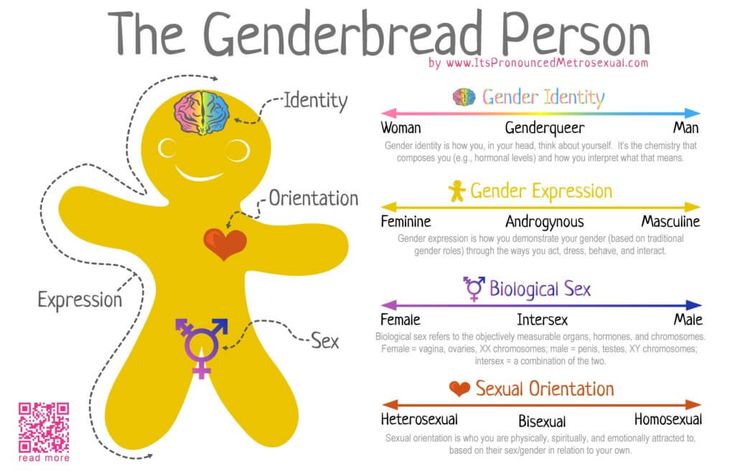
Queer students feel it too, maybe even sharper. Health classes often act like straight is the default, so any question that doesn’t fit the script gets waved away. “We’re not talking about that.” Or worse, the teacher just skips over it entirely, like queer bodies don’t even exist. The erasure isn’t just frustrating but isolating. It teaches queer youth that their identities are invisible, even in lessons about bodies and health.
And then there’s the unspoken hierarchy in classrooms. Boys’ giggles get tolerated, but girls’ genuine questions get shut down. Questions about erections or wet dreams? They’re covered in detail. Questions about discharge or painful periods? Suddenly too much information.
When schools decide what’s “appropriate,” what often gets left out are the bodies that need answers most. CALD girls. Queer youth. Anyone outside the neat, textbook version of “normal.” And that silence echoes differently for them – heavier, lonelier, harder to shake.
The Long Echo
The dismissal doesn’t stop at the classroom door. It follows you.
When you’re told “not appropriate” in Year 7, it doesn’t just sting in that moment – it teaches you how to move through the world. You learn to swallow your questions, to edit your story, to play it safe. And that habit sticks.
So later, when you’re at the doctor’s office and you want to say, “My pain is ruining my sleep,” you hesitate. You think, maybe it’s not important. You think, maybe I’m being dramatic. That old classroom silence echoes back, and you cut yourself short.
It even shows up in friendships. You skip over telling your friends about the time you bled through your uniform because it feels like “too much information.” You leave out the word discharge because you can still hear the boys in the back row laughing.
The classroom might have been the first site of dismissal, but it’s rarely the last. It plants a seed that grows into self-doubt, long after the health textbook gets recycled. And it’s not just individual girls carrying this silence, it becomes generational. Each group of students leaves school a little more unsure of how to talk about their bodies.
That’s the long echo: a single “no” stretched out across years of not asking.
What Classrooms Could Be
It doesn’t have to be like this. Classrooms could be something else entirely.
Imagine a health teacher who doesn’t laugh or shut you down, but simply says, “That’s a good question.” They don’t have to know all the answers — honestly, no one expects them to. But just by validating the question, they show you it’s okay to be curious. That your body isn’t a joke. That learning about it belongs here.
Picture a teacher saying, “I don’t know, but let’s find out together.” That moment alone shifts everything. Instead of shame, you get honesty. Instead of silence, you get collaboration. The classroom becomes what it was always meant to be: a safe place to learn.
Schools could also bring in guest educators, nurses, or community workers who do have the expertise. They could make space for anonymous question boxes so you don’t have to risk the giggles. They could use resources that talk about CALD experiences, queer health, period pain, endometriosis, the stuff textbooks usually skip.
None of this is impossible. It’s just a matter of deciding that girls’ questions, all students’ questions, are worth time and respect.
Because at the end of the day, classrooms aren’t just about maths problems or history dates. They’re where we learn how to see ourselves, how to value our curiosity, and how to find our voices. And if health class can’t teach us that, what’s the point?
Aletheia’s Reminder
The classroom should never be the first place where your questions die. It should be where they bloom.
If you’ve ever had your hand waved down, or your question brushed off, or your curiosity turned into a punchline, that wasn’t your fault. Your body is not inappropriate. Your questions are not silly. Your curiosity is not shameful.
We all deserve classrooms where health is taught in full colour where teachers meet us with honesty, where silence is replaced with safe conversation, and where no one is made to feel ridiculous for wanting to understand themselves.
Because the truth is simple: you’re not “too much” for asking. You’re enough, exactly as you are. And your questions? They’re the start of your power.
Giving you all the fire in the world,
The Aletheia Project
Originally published by The Aletheia Project on Substack.