A Quiet Rage: The Emotional Cost of Being Brushed Off
Introduction – The Rage You Don’t Show
You know that feeling when you say something real — something honest, something that took a bit of courage — and the other person just… brushes it off?
They say, “You’re probably overthinking it.”
Or, “It’s not that serious.”
Or they don’t say anything at all — just a shrug, a glance at their phone, a subject change.
And you’re left there, still holding the weight of what you were trying to express.
Still carrying it — except now it feels heavier. Because now you’ve added another layer: that low-level frustration. That tight feeling in your chest. That voice in your head asking:
Why did I even bother?
That’s the rage we’re talking about in this post.
Not explosive rage. Not screaming.
The other kind. The quieter one. The kind that builds up slowly. The kind you learn to hide because showing it doesn’t seem worth it.
This kind of anger doesn’t always come out the moment you’re dismissed. A lot of the time, you smile through it. You brush it off yourself. You say, “No worries,” or “I guess I was just being sensitive,” even when you know it mattered.
But it stays with you. And over time, it builds. Every time someone invalidates what you’re saying, every time you’re met with minimising instead of listening, every time someone makes you feel like you’ve overreacted just for having a reaction — it leaves a mark.
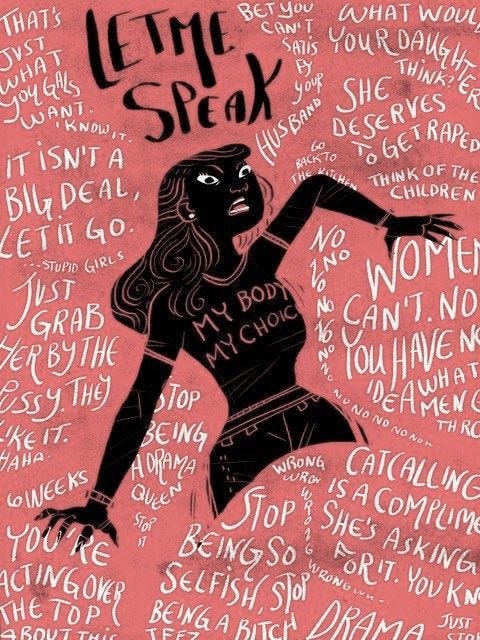
We’re told not to take things personally. Not to be dramatic. Not to make a scene.
But what happens when being brushed off becomes a pattern?
What happens when silence and surface-level reactions are expected from you — even when what you’re experiencing is painful, complex, or real?
This isn’t just about annoyance or mood swings. It’s about the emotional cost of being repeatedly dismissed. Especially for girls and women who’ve already been taught to downplay their feelings, make others comfortable, and not take up “too much” space.
This post is about that cost. That quiet rage. The kind no one talks about because it doesn’t look like a meltdown — it looks like withdrawal. Tiredness. Emotional numbness. Or sometimes just shutting down altogether.
So if you’ve ever walked away from a conversation feeling invisible, irrational, or like maybe you were asking for too much just by expressing something real — this is for you.
You’re not crazy. You’re not overreacting.
You’re just tired of being brushed off. And that’s worth talking about.
1. What ‘Being Brushed Off’ Actually Looks Like
Being brushed off isn’t always obvious. It doesn’t always look like someone telling you to shut up. Most of the time, it’s subtle. Casual. Easy to miss — unless you’re on the receiving end.
It’s when you open up about something you’re struggling with and someone responds with, “You’ll be fine.”
It’s when you share a concern and the other person laughs or changes the subject.
It’s when you explain how something made you feel and get told, “You’re overthinking it,” or “That’s not what I meant, don’t take it so personally.”
In medical settings, it might sound like: “It’s probably just anxiety,” or “You’re young, you’ll grow out of it.”
In social settings, it’s people pretending they didn’t hear what you said. Or brushing over your discomfort like it’s inconvenient. Or turning something serious into a joke because they’re uncomfortable sitting in it.
And emotionally? It’s the silence. The blank stares. The vague “okay” when you share something vulnerable. The way people let your words hang there — and then move on like nothing happened.
These moments don’t always seem like a big deal. But when they happen over and over again, they start to shape how you communicate.
You start holding back. You water things down. You test the waters before saying anything real. You ask yourself if it’s even worth bringing up.
And that’s the point: being brushed off isn’t just rude. It teaches people — especially girls — that their emotions take up too much space.
It tells them that they need to self-edit. That their reactions are inconvenient. That they shouldn’t expect to be taken seriously.
It trains you to speak less clearly. Less directly. Less often.
Because if no one listens, what’s the point of speaking at all?
2. Why It Hurts More Than We Admit
Being brushed off might not always look dramatic from the outside, but the internal impact runs deep. When someone dismisses what you’re trying to express — whether it’s a feeling, a concern, or a question — it doesn’t just make you feel ignored in that moment. It makes you question yourself.
The first time, you might feel confused. You tell someone something that felt important to you, and they wave it off. You’re left wondering if maybe you misjudged it. Maybe it wasn’t that big of a deal.
The second or third time, you start editing yourself. You think, “I’ll say it differently this time.” You try to soften your tone or pick your words more carefully so they’ll take you seriously.
But after a while, when the pattern repeats — when you keep getting the same kind of response no matter how gently or clearly you express yourself — you stop expecting to be heard at all.
That’s where the hurt becomes something bigger.
It’s not just frustration. It’s self-doubt.
It’s wondering whether your feelings are real.
It’s hesitating to speak even when you need to.
It’s staying silent in situations where silence hurts you more.
You start to internalise the message that your emotions are an inconvenience. You begin to think maybe you are being difficult. Maybe you are overreacting. You start saying “never mind” mid-sentence. You rehearse everything before you say it. You water things down so they’re easier for other people to digest.
Eventually, you may even stop talking about how you feel altogether. Not because you don’t care anymore — but because the cost of not being believed feels worse than just staying quiet.
And all of that — the self-editing, the second-guessing, the shrinking — doesn’t come from nowhere. It comes from experiences that told you, directly or indirectly, that your feelings were too much. Or not worth the time. Or just plain wrong.
That’s why it hurts more than we admit. Because it’s not just about being misunderstood. It’s about being taught that your inner world doesn’t matter unless it’s comfortable for someone else.
And that leaves more than a sting. It changes the way you show up. Not just with others — but with yourself.
3. The Cost of Constant Dismissal
When you’re brushed off once, it’s annoying. When it happens repeatedly, it starts to reshape the way you think, speak, and relate to yourself and others. You don’t just lose confidence in your voice — you lose trust in your own experience.
One of the biggest costs is self-doubt. If you’re constantly being told that you’re reading too much into things or taking something the wrong way, it’s natural to start questioning your own judgment. Even when something clearly doesn’t feel okay, you start to second-guess: “Am I just being sensitive? Maybe it’s not a big deal. Maybe I’m wrong.” That kind of uncertainty doesn’t just live in your head — it starts to settle into your body. You feel tense, hesitant, unsure. You don’t speak with conviction anymore, because you’ve learned not to trust what you feel.
Another cost is emotional withdrawal. You stop opening up. Not because you don’t want connection, but because you’re tired of trying to be understood and getting nothing back. You might still talk about surface-level stuff, but you keep the real things to yourself. You bottle things up, or only tell half the story. You become guarded, even in relationships where you’re supposed to feel safe.
It also impacts how you move through practical parts of life. In healthcare, you don’t explain your symptoms properly because you’ve been conditioned to think they won’t be taken seriously. In school or work, you don’t give feedback or raise concerns because you assume you’ll be brushed off. In friendships or relationships, you let small issues build into resentment, just to avoid being told you’re overreacting — again.
The worst part is that it becomes so normal that you don’t always notice it’s happening. You adapt to it. You speak less. You soften your tone. You apologise more. You default to “it’s fine” even when it’s not, just to avoid the mental load of having to explain yourself and still not being heard.
Over time, this affects your relationships — not just with others, but with yourself. You lose clarity on what you actually feel. You stop checking in with yourself emotionally because it never seems to matter anyway. You let things slide that shouldn’t slide. You accept less than you need, because asking for more feels like a risk.
This is what makes being brushed off so damaging. It doesn’t just silence you in the moment — it rewires your internal dialogue. It teaches you to filter yourself before you even speak. And eventually, it becomes hard to tell the difference between your real voice and the version you’ve been trained to perform.
The cost of being dismissed isn’t always loud or obvious. But it shows up in the way you hesitate, the way you keep things inside, the way you stop feeling like your emotions are worth bringing up. That’s the damage. And it’s real.
4. Where It Comes From
We’ve covered this in past posts — especially when talking about how systems train girls not to speak — but it’s worth zooming in again, specifically through the lens of emotional dismissal.
Because being brushed off isn’t random. It’s not just a string of bad conversations. It’s part of a pattern that starts early and runs deep. And most of it isn’t about your feelings being wrong — it’s about other people not knowing how to deal with them.
From a young age, girls are taught that being easy to be around is more important than being honest. You’re rewarded for staying calm, smiling through discomfort, and keeping things light. If you express emotion too strongly, you’re told to tone it down. If you get upset, you’re told to “calm down.” If you try to explain yourself, you’re told you’re “overcomplicating things.”
That social conditioning runs alongside a bigger issue: discomfort. A lot of people — parents, teachers, friends, even doctors — don’t know how to sit with someone else’s emotions. So when you bring up something vulnerable or uncomfortable, they minimise it. Not always out of cruelty — sometimes out of habit, defensiveness, or because they genuinely don’t know what to say.
It’s easier to say “you’re overreacting” than to say “I don’t know how to help, but I’m listening.”
It’s easier to dismiss than to sit with the fact that they might have hurt you, misunderstood you, or failed to support you.
And this plays out differently depending on your identity and environment. In many CALD households, emotional expression is seen as weakness or disrespect. In healthcare, young girls are more likely to have their pain labelled as stress or hormones. In friendships, girls who express their emotions too directly get labelled as “dramatic” or “intense.”
Then there’s the double standard. If you stay quiet, you’re passive. If you speak up, you’re difficult. You learn quickly that there’s no “right way” to express yourself — just a list of ways to be too much. Too emotional. Too sensitive. Too reactive. Too honest.
So what do most people do in response? They shrink. They adapt. They say less. They train themselves to suppress what they feel — not because the feeling isn’t valid, but because experience has taught them it won’t land anyway.
That’s how emotional dismissal becomes normalised. Not because your feelings are too big — but because the world has made them seem inconvenient.
The truth is, emotional self-expression gets policed early and often — especially if you’re a girl, or queer, or CALD, or neurodivergent, or any mix of the above. You’re taught that expressing how you feel makes other people uncomfortable. And instead of learning that their discomfort is their responsibility, you’re taught that your expression is the problem.
This is how being brushed off becomes your default expectation. You come to expect people won’t take you seriously, so you start preemptively editing yourself before they even get the chance.
It’s not just social. It’s systemic. And it’s not just impolite — it’s emotionally damaging. That’s why we’re naming it.
5. What Happens to All That Rage?
When someone brushes you off, it doesn’t just disappear. You still feel what you felt — the confusion, the frustration, the embarrassment, the hurt — but now you’re stuck holding it alone. And if it keeps happening, that emotional load has to go somewhere.
For a lot of people, especially girls and young women, that “somewhere” ends up being inward. You carry it. Quietly. It builds up slowly, in ways you don’t always recognise until it starts affecting how you think, speak, or even exist in the room.
Sometimes it comes out physically. You feel tense all the time. Your jaw clenches. You get headaches, stomach aches, chest tightness. You might not realise it’s linked to all the conversations where you stayed polite while someone talked over you or dismissed your feelings, but it is.
Sometimes it comes out emotionally, but sideways. You’re more irritable with people you care about. You snap at little things, or suddenly burst into tears over something minor. You bottle up emotions until they all come out at once — and then you feel guilty for “overreacting.”
Other times, it doesn’t come out at all. It just turns inward. You start blaming yourself. You question your memory of things. You avoid conflict at all costs. You lose trust in your own tone, your instincts, your ability to express what you actually mean. You second-guess what you feel before you even say it out loud.
That internalised rage becomes emotional fatigue. You stop speaking not because you’ve run out of thoughts, but because you’re tired of not being heard. You shut down because that feels easier than constantly being misunderstood or dismissed.
Some people turn it into perfectionism — trying to be the most careful, thoughtful version of themselves so no one can twist their words. Others become emotionally flat, telling themselves that if they don’t feel too much, they can’t be dismissed for it.
But all of these are just different ways of carrying rage that was never allowed to be fully felt or expressed.
And let’s be honest — sometimes the rage does come out in visible ways. You might get labeled as reactive or angry, especially if you’re finally pushing back after being ignored too many times. And of course, when it does come out, people around you act shocked — as if it wasn’t years in the making.
That’s the frustrating part: people only see the outburst, not the hundred small moments that built it.
This is what happens when we’re taught to suppress instead of process. When we’re told to be easygoing instead of honest. When our boundaries are seen as aggression and our emotions are labelled as overreaction.
Rage that isn’t allowed to move doesn’t disappear. It just changes form.
And the longer we pretend it’s not there, the more damage it quietly does.
6. Reclaiming the Right to Take Up Emotional Space
So what now?
If you’ve spent years minimising your feelings, downplaying your reactions, and shrinking yourself to avoid being brushed off — how do you start taking that space back?
It starts by unlearning the idea that your emotions are only valid if they’re easy to hear. That your tone has to be calm. That your timing has to be perfect. That your anger needs to come with an apology. It starts by recognising that emotional space isn’t something you need permission for — it’s something you’re already allowed to take up.
That means you don’t need to wait for someone to say, “Okay, I’m ready to hear you.”
You don’t need to have the perfect words lined up before you express something.
You don’t need to sound neutral just so people will listen.
Sometimes your voice might shake. Sometimes your words might be messy. That doesn’t make what you’re saying less true.
Reclaiming emotional space also means staying grounded in what you know to be real. If something hurt you, it hurt. You don’t need someone else to agree with that for it to be valid. You’re allowed to say:
-
“That didn’t sit right with me.”
-
“I need more from this conversation.”
-
“I’m not okay with how that felt.”
-
“I still want to talk about it, even if it’s uncomfortable.”
You don’t have to shout to be clear. You don’t have to cry to be taken seriously. You don’t have to justify your emotions over and over until someone decides they make sense.
You’re allowed to be a full person — not just the polite, edited version you were trained to perform.
This also means pushing back when someone tries to dismiss or downplay what you’re feeling. It might sound like:
-
“I’m not overreacting — I’m telling you how this impacted me.”
-
“I need you to listen before jumping to fix it or explain it away.”
-
“Please don’t minimise this — I need you to take it seriously.”
Those phrases might feel uncomfortable at first, especially if you’re used to keeping the peace. But the more you say them, the easier it gets.
And most importantly, this isn’t about being “angrier” or “tougher” or “louder.”
It’s about being honest. Consistently. Without apology.
It’s okay if people don’t always react how you want them to. It’s okay if they get uncomfortable. That doesn’t mean you’re doing something wrong. It just means they might not be used to someone being this direct with their truth — and that’s not your problem to solve.
The goal isn’t to control other people’s reactions. It’s to stop abandoning yourself to keep them comfortable.
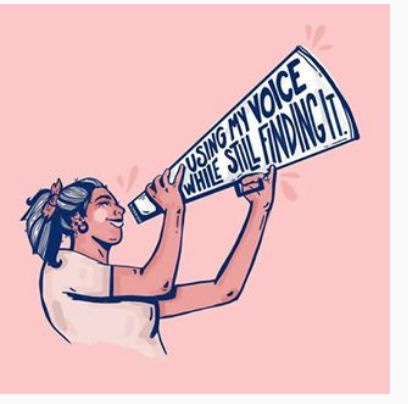
You’re allowed to speak even if your voice shakes.
You’re allowed to keep going even when someone says, “You’re being dramatic.”
You’re allowed to hold the line when someone tries to brush it off — again.
Your feelings are not a weakness. They’re information.
And you don’t need to filter them down to make them easier for other people to digest.
Taking up emotional space doesn’t mean you’ve changed.
It means you’re finally letting yourself take up the room you always deserved.

Final Thoughts
If you’ve ever left a conversation feeling worse than when you started — like your feelings didn’t land, or your words didn’t matter — you’re not overreacting. You’re not being too sensitive. You’re reacting like anyone would when they’re constantly dismissed.
Being brushed off chips away at you. Not all at once, but slowly. And eventually, it gets harder to speak up — not because you don’t have anything to say, but because you’re tired of not being taken seriously when you do.
You’re allowed to be tired of that. And you’re allowed to want better.
It’s okay if speaking up still feels hard. It’s okay if your voice doesn’t come out perfectly the first time. The important thing is that you’re trying. That you’re noticing what doesn’t feel right. That you’re starting to trust yourself again.
You don’t need to perform calmness or polish to be worth listening to. You’re allowed to take up space — even if you’ve been told not to for years.
And if you ever needed someone to say it plainly:
What you feel matters.
You deserve to be heard.
We’re with you. Always.
The Aletheia Project.
Originally published by The Aletheia Project on Substack.