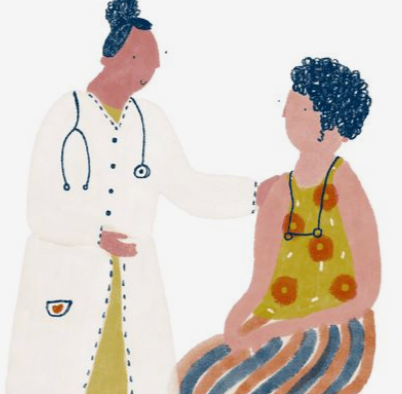
medical gaslighting 🩺
1. Introduction – When Something Feels Off and No One Listens
You go to the doctor because something doesn’t feel right. Maybe it’s pain you can’t explain. Maybe it’s fatigue that won’t go away. Maybe it’s a sense that your body just isn’t doing what it used to. You try to describe it, clearly and calmly — or at least as best you can.
But the response is… nothing helpful.
They say, “That’s normal.”
Or “You’re probably just stressed.”
Maybe they don’t really look at you when you speak. Maybe they cut you off. Maybe they brush over your concerns with a vague “Let’s keep an eye on it.”
So you walk out of the appointment with no answers. Just more questions — and a quiet, uncomfortable feeling that maybe you shouldn’t have come in at all.
This is the experience many young people have when they try to get help — especially if they’re CALD (culturally and linguistically diverse), neurodivergent, queer, or navigating more than one identity that doesn’t fit the “default patient profile.”
This is what we’re talking about when we say medical gaslighting.
It’s when you go to a health professional with real concerns and are met with doubt, dismissal, or subtle blame. It’s not always loud. It’s not always obvious. But it leaves you feeling small, unheard, and uncertain — not just about your health, but about whether you’re even allowed to speak about it.
And if this has happened to you, you’re not imagining it.
This isn’t about “bad communication” or “one bad doctor.”
It’s about patterns. Patterns that show up again and again for people who are already used to not being fully seen or believed — especially girls, queer youth, CALD youth, neurodivergent people, and those with chronic or invisible illnesses.
In this post, we’re breaking down what medical gaslighting actually is, how to recognise it, why it happens, and what you can do if it’s happening to you.
Because you deserve to be taken seriously. No matter who you are.
2. What Is Medical Gaslighting?
Medical gaslighting occurs when a healthcare professional dismisses, minimises, or undermines a patient’s symptoms, experiences, or concerns in a way that causes the patient to doubt themselves. It is a form of psychological invalidation that can delay diagnosis, prevent appropriate treatment, and damage trust between patients and medical providers.
The term “gaslighting” comes from a psychological manipulation tactic where a person is made to question their perception of reality. In a healthcare context, gaslighting happens when a patient voices symptoms — pain, fatigue, mood changes, neurological concerns, reproductive issues, etc. — and is told, directly or indirectly, that they are imagining or exaggerating their condition.
Medical gaslighting is not always overt. It may occur through subtle cues, such as a condescending tone, vague reassurances without investigation, or repeated deferrals without explanation. It can also happen through more explicit responses, such as attributing all symptoms to stress, hormones, weight, anxiety, or personality traits without further testing or appropriate referrals.
Crucially, medical gaslighting is not about one-off disagreements or imperfect communication. It’s about consistent patterns in the healthcare system that invalidate the patient’s voice — particularly when those patients come from marginalised groups.
Research has shown that women, people of colour, LGBTQIA+ individuals, neurodivergent people, and those with chronic or invisible illnesses are disproportionately affected by diagnostic delays and disbelief. These groups are more likely to be told their symptoms are psychological in origin, more likely to be described as “non-compliant” or “anxious,” and less likely to receive thorough investigations compared to white, cisgender, heterosexual, neurotypical male patients.
Medical gaslighting is harmful not just because it affects care in the moment, but because it creates long-term emotional and physical consequences. Patients internalise the belief that their concerns are not serious or that they are being dramatic — leading to further delays in care, mistrust of healthcare systems, and even complete avoidance of future appointments.
Understanding medical gaslighting is the first step toward recognising when it’s happening — and starting to push back against a system that too often expects silence from those it should be listening to most.
3. What It Can Sound Like
Medical gaslighting isn’t always obvious — especially when the language used sounds polite or well-intentioned on the surface. But over time, patients begin to notice a pattern: they’re being spoken over, dismissed, or redirected without meaningful examination of their concerns.
Here are some common phrases that often indicate medical gaslighting is taking place:
-
“Your tests came back normal, so there’s nothing wrong.”
This assumes that if nothing shows up on a standard test, the problem doesn’t exist — ignoring the limits of diagnostic tools and the need for further investigation. -
“You’re just stressed.” / “It’s probably anxiety.”
While stress and anxiety can contribute to health issues, these statements are often used as a default explanation, especially for young people, women, and marginalised patients — even in the absence of a mental health assessment. -
“You’re too young to be experiencing that.”
Age should not be used to rule out symptoms without investigation. This is a frequent barrier for teens and young adults reporting reproductive, cardiovascular, or autoimmune symptoms. -
“It’s probably just hormonal.”
Hormonal explanations are often used to dismiss pain, mood shifts, fatigue, and other significant symptoms in girls and people assigned female at birth — without further inquiry or testing. -
“Let’s wait and see.”
While observation is sometimes appropriate, repeated “wait and see” responses — without referrals, testing, or a treatment plan — can leave patients stuck without answers for months or even years. -
“That’s normal for someone like you.”
This phrase can be especially harmful when directed at patients from marginalised backgrounds. It subtly implies that their pain or discomfort is expected or unavoidable because of their identity — rather than being taken seriously. -
“It’s probably nothing.” / “You’re overthinking it.”
These statements undermine a patient’s sense that something is wrong. Even if said casually, they can have a lasting impact on how someone views their own symptoms.
Over time, hearing statements like these can cause patients to question whether their symptoms are real, whether they’re being a burden, or whether they should even bring things up at all. This is especially common in CALD communities, where cultural stigma around questioning authority figures or speaking about health openly may already be a barrier. The same applies to neurodivergent and queer patients, who may already be navigating systems not built to understand their baseline experience of the world.
Recognising these phrases as potential red flags is essential — not because every doctor who says them is malicious or incompetent, but because the consequences of repeated dismissal can be deeply harmful. It’s the pattern that matters.
4. Who It Happens To (and Why It’s Not Just a One-Off)
Medical gaslighting doesn’t affect everyone equally. While anyone can experience being dismissed by a healthcare provider, it happens more frequently — and more severely — to certain groups. This isn’t about individual doctors being mean or biased on purpose. It’s about patterns that exist in the system: who is believed, who is taken seriously, and who is expected to stay quiet.
Girls and Young Women
Young women are often told their pain is “normal,” their symptoms are “just hormonal,” or their concerns are likely due to anxiety or stress. Reproductive issues, such as endometriosis or PCOS, often take years to diagnose because symptoms are downplayed early on. For teen girls, there’s the added barrier of being seen as “dramatic” or inexperienced — which means their reports of pain or distress are more likely to be minimised.
CALD (Culturally and Linguistically Diverse) Communities
Patients from culturally and linguistically diverse backgrounds face an additional layer of dismissal. Accent bias, language barriers, and unconscious assumptions about pain tolerance or education levels can all impact how seriously someone is taken. In some cases, doctors may speak in overly simplistic terms or avoid giving full information, assuming the patient won’t understand. In other cases, they may assume symptoms are due to cultural behaviours or “lifestyle” choices without further exploration. This leaves many CALD patients feeling patronised, stereotyped, or ignored — especially if they’re trying to advocate for themselves in a system that was never built with them in mind.
Neurodivergent People
Neurodivergent patients — including those with autism, ADHD, or sensory processing differences — are often not believed when they report physical symptoms, or their concerns are chalked up to their neurodivergence. For example, a migraine or digestive issue might be blamed on anxiety or overstimulation, rather than explored as a legitimate medical issue. Many neurodivergent individuals also communicate differently — more direct, more detailed, or with less eye contact — which can be misinterpreted by doctors who are unfamiliar with different communication styles. As a result, they’re more likely to be labelled as “difficult,” “non-compliant,” or “exaggerating.”
Queer and Trans Youth
LGBTQIA+ patients often experience medical gaslighting through erasure or discomfort. Doctors may avoid discussing symptoms that relate to sexual or gender identity, make assumptions about anatomy or relationships, or hesitate to engage in care that falls outside the “norm.” Queer patients may also feel pressure to explain or justify parts of their identity just to access care, which can lead to discomfort or incomplete disclosure. Trans youth, in particular, may have their health concerns attributed to hormones, mental health, or their gender identity, even when unrelated.
Chronic and Invisible Illness Communities
Patients with chronic fatigue, fibromyalgia, autoimmune conditions, long COVID, or other “invisible” illnesses are at high risk of gaslighting. Because their symptoms are often difficult to measure with standard tests, they’re frequently told that “nothing is wrong” or that it’s all in their head. Over time, this erodes their self-trust and leads to long delays in care.
→ Medical gaslighting is not an isolated event. For people in these communities, it’s often something they’ve experienced multiple times — across different doctors, hospitals, and clinics. It’s not about one bad appointment. It’s about being consistently underestimated, dismissed, or not taken seriously.
-
Understanding that this is systemic — not personal — is the first step toward naming it, challenging it, and seeking the care you deserve.
5. What It Feels Like on the Inside
Being medically gaslit isn’t just frustrating — it’s deeply disorienting. When someone in a position of authority dismisses your experience, especially in a healthcare setting, it leaves an emotional impact that doesn’t always show up immediately. You might leave the appointment looking calm, but inside, everything feels off.
At first, you might feel confused. You came in with real symptoms — pain, exhaustion, something your body is clearly telling you — but the doctor acted like it was nothing. You’re left wondering: Did I explain it wrong? Am I being dramatic? Is this all in my head?
Then comes the self-doubt. You start second-guessing what you feel. You might downplay your pain even to yourself. You think, If a doctor says it’s fine, maybe it is… even though it doesn’t feel fine. You begin to wonder whether you’re just “too sensitive” or “too anxious” — especially if you’ve heard those words before, from other people or in other areas of your life.
For CALD patients, there’s often added pressure not to question professionals. You may have grown up being told to respect authority, or you may worry about being stereotyped if you push back. If English isn’t your first language, you might feel like you don’t have the right words to challenge what’s happening — and that can make the dismissal feel even more isolating.
For neurodivergent patients, the emotional impact can be even more intense. You might already be used to having your communication misunderstood. If your way of describing pain or discomfort doesn’t fit the “expected” format, it’s easier for someone to overlook it. You may leave appointments feeling like no one understands your needs — and worse, like it’s your fault for not expressing them “the right way.”
And for queer and trans youth, the effects can be personal. Being brushed off in healthcare doesn’t just feel like a missed diagnosis — it can feel like being told, again, that your identity complicates things. That your care is too uncomfortable or too different to be taken seriously.
Over time, this emotional strain builds. You might stop making appointments altogether. You might keep health problems to yourself, thinking they’ll be dismissed again. You might start apologising every time you speak up. You lose confidence — not just in the healthcare system, but in your own voice.
And that’s the real harm: medical gaslighting doesn’t just delay care. It teaches you to mistrust your body. It trains you to shrink your needs. It turns “I need help” into “I’ll figure it out alone.”
This isn’t just about feeling invalidated in the moment — it’s about how those moments add up. And if you’ve ever walked out of a medical appointment feeling worse than when you went in, you already know what that feels like.
6. Why It’s a Problem
Medical gaslighting isn’t just frustrating or emotionally damaging — it has real, measurable consequences. When patients are dismissed, misheard, or not taken seriously, it leads to missed diagnoses, delayed treatment, and in some cases, long-term or irreversible health impacts.
1. Missed Diagnoses
When doctors don’t investigate symptoms fully — or attribute everything to stress, hormones, or anxiety — they risk overlooking serious medical conditions. Endometriosis, autoimmune diseases, ADHD, chronic illnesses like ME/CFS, and neurological conditions are often underdiagnosed in girls, CALD patients, and neurodivergent youth. Many of these conditions are already complex to diagnose — and gaslighting delays that process even further.
2. Worsening Symptoms
Delays in diagnosis mean people suffer longer than they need to. A condition that could have been managed early becomes more severe. Symptoms that start small grow into chronic problems. Pain becomes harder to treat. Mental health deteriorates alongside physical health. And instead of being helped, patients are left trying to convince professionals that they even deserve help.
3. Loss of Trust in Healthcare
One of the most damaging effects of medical gaslighting is how it shapes the way patients interact with the healthcare system long-term. After enough bad experiences, many people simply stop going. They avoid follow-up appointments. They ignore symptoms until they become unbearable. They don’t mention their full concerns in fear of being brushed off again. That loss of trust doesn’t just hurt the individual — it weakens public health systems that rely on early intervention and honest communication.
4. Impact on Marginalised Communities
For CALD, neurodivergent, and queer patients, the consequences of medical gaslighting are even more dangerous. Many already face other barriers to healthcare: racism, language differences, stigma, lack of representation, fear of discrimination, and financial inaccessibility. When those barriers are combined with dismissal in the exam room, the message becomes clear — this system is not for you.
And that’s not just a personal problem. It’s a systemic one. Because when entire groups of people learn to expect silence and dismissal from their healthcare providers, it creates deep inequities in health outcomes. Those inequities are not accidental — they are the result of patterns we continue to allow.
Medical gaslighting doesn’t always look like outright harm. But its impact is lasting — in people’s bodies, in their medical records, and in their sense of safety when seeking help.
This is why it matters. This is why we need to talk about it.
7. How to Tell If It’s Happening to You
Medical gaslighting doesn’t always look like someone outright saying, “You’re wrong.” More often, it’s subtle. It can feel like confusion, self-doubt, or a nagging sense that something isn’t adding up — even though everyone around you seems calm.
Here are some signs that you might be experiencing medical gaslighting:
1. You feel worse after the appointment — not just physically, but emotionally.
You went in for help, but walked out feeling dismissed, overwhelmed, embarrassed, or like you wasted everyone’s time. Maybe you weren’t heard. Maybe your symptoms were brushed off. Maybe nothing was done, but you still feel like you did something wrong.
2. You start second-guessing yourself.
Even if your symptoms are real and disruptive, you catch yourself thinking things like:
-
“Maybe I am overreacting.”
-
“Maybe I just didn’t explain it clearly.”
-
“Maybe it’s all in my head.”
This kind of internal questioning is a red flag — not because you’re overthinking, but because your concerns haven’t been taken seriously enough.
3. You weren’t given a proper explanation.
You leave with vague answers like “It’s probably nothing” or “We’ll just monitor it.” There was no next step, no clear plan, and no real discussion. You weren’t offered further testing or a referral, even though your symptoms haven’t improved.
4. You didn’t feel like your doctor was listening.
They might’ve talked over you, interrupted you, avoided eye contact, or answered a question you didn’t ask. You might have felt rushed. You may have sensed that they already had a conclusion in mind before you finished speaking.
5. You’ve started hiding how bad things are.
You stop mentioning certain symptoms because you assume they’ll be dismissed. You avoid saying how much pain you’re in. You leave out details to avoid being told it’s “just stress” or “normal.” You shrink what you’re feeling to make it easier for someone else to hear.
6. You’re afraid to speak honestly.
You walk into appointments rehearsing what to say. You worry you’ll come off as dramatic or difficult. You find yourself being overly polite, downplaying symptoms, or apologising just for taking up time.
7. You’ve had this happen more than once.
If this isn’t the first time you’ve felt brushed off — especially by multiple providers — it’s not just in your head. And it’s not a communication issue on your part. It’s a pattern. And it needs to be named.
These signs don’t mean you’re being paranoid or unreasonable. They mean something isn’t right — not with you, but with how you’re being treated.
Recognising that is the first step in shifting how you advocate for yourself. You deserve more than vague reassurance. You deserve care that listens, investigates, and respects what you know about your own body.
8. What You Can Do About It
If you suspect you’re being medically gaslit, it’s easy to feel powerless. But while you’re not responsible for fixing a broken system, there are things you can do to protect yourself and get better care — especially if you’re CALD, neurodivergent, or queer, and more likely to be dismissed in the first place.
Here are some practical steps that can help:
1. Prepare Before Your Appointment
Write down your symptoms — what they feel like, when they started, what makes them better or worse, and how they affect your life. Be specific. If you’re tired, describe the type of tired. If it’s pain, note the location, intensity, and frequency.
You don’t need to memorise everything. Bring notes or a short timeline with you. That shows your symptoms are consistent, not random — and helps you stay focused if the appointment gets rushed or stressful.
2. Be Direct About What You Want
You’re allowed to ask for specific things, like:
-
“Can I be referred to a specialist?”
-
“Can we do some further tests?”
-
“Can you explain what else might be going on?”
-
“I’ve read about X — is that something we should explore?”
You don’t need to justify your right to ask. This is your health.
3. Ask for Explanations in Plain Language
If your doctor says something you don’t understand, ask:
“Can you explain that in simpler terms?”
“What does that mean for me, practically?”
“What are the next steps?”
It’s not your fault if medical language is confusing. It’s their job to make it understandable.
4. If You Feel Dismissed, Say So
This one’s hard — especially if you’ve been trained to stay quiet or polite. But it can be powerful to say something like:
-
“I feel like I’m not being heard right now.”
-
“I understand you don’t think it’s urgent, but this has been affecting my daily life and I need to figure out what’s going on.”
-
“Can we explore this further instead of waiting again?”
It doesn’t guarantee a perfect response, but it resets the tone — and signals that you’re not here to be brushed off.
5. Bring a Support Person If You Can
Whether it’s a parent, sibling, friend, or community advocate — having someone else in the room can help you stay grounded, especially if appointments are stressful or overwhelming. They can also back you up if you’re interrupted or not taken seriously.
If you’re queer or trans and worried about being misgendered or ignored, bring someone who knows your identity and can step in if needed.
6. Know It’s Okay to Seek a Second Opinion
If something still doesn’t feel right, you are completely allowed to see another doctor. That’s not disrespectful. It’s your right. Your current provider doesn’t need to “approve” that choice.
It’s especially important to do this if you’ve brought concerns multiple times and nothing has changed. You don’t need to wait for things to get worse before looking elsewhere.
7. Remind Yourself: This Is Not Your Fault
If you leave feeling frustrated or hurt, it’s not because you did anything wrong. Medical gaslighting isn’t caused by being too emotional, too young, or not having the right words. It’s the result of a system that often doesn’t listen — especially to people who don’t fit the typical patient mould.
You’re allowed to advocate for yourself. You’re allowed to be firm. You’re allowed to keep asking until you get the answers and care you need.
9. Final Thoughts – You Deserve to Be Taken Seriously
Medical gaslighting is real. It happens more than people realise — and to the people least likely to be believed in the first place.
If you’ve ever walked out of a doctor’s office feeling ignored, second-guessed, or like you had to shrink your experience to make it more “acceptable,” that’s not okay. You’re not imagining things. And you’re not the problem.
Your body is real.
Your pain is real.
Your voice is valid — even if someone didn’t listen the first time.
You don’t need to be “perfect” to deserve care. You don’t need to have all the right words or fit into someone else’s idea of what a “typical” patient looks like. You just need to know this: what you’re feeling matters. And it’s okay to expect better.
Whether you’re CALD, queer, neurodivergent, disabled, or simply tired of being dismissed — you deserve a healthcare experience that listens to you, believes you, and works with you.
Keep speaking. Keep advocating. Keep asking questions.
And if you ever need reminding: you’re not alone in this.
Aletheia exists because your voice matters — and it always has.
Originally published by The Aletheia Project on Substack.