the importance of youth voices in health policy
For many young people, health policy is something that exists somewhere far away.
It lives in government reports, long documents, and meetings they will never attend. It shapes the systems around them — the clinics they visit, the school programs they sit through, the services that may or may not be available — but it rarely feels like something they have any real connection to.
Policy, to most young people, feels distant.
And yet, it quietly influences almost every part of how healthcare works.
It shapes what schools teach about health.
It determines what services are funded.
It guides how healthcare systems respond to certain issues, communities, and needs.
In other words, health policy shapes the environment young people grow up navigating — even if they have never heard the term before.
The people most affected are often the least heard
One of the quiet contradictions in many healthcare systems is this: the people most affected by policies are often the ones least involved in shaping them.
Young people make up a significant part of the population using health services. They visit general practitioners, school counsellors, psychologists, community clinics, and hospitals. They navigate issues related to mental health, physical health, reproductive health, identity, and wellbeing.
Yet when decisions are made about how these systems should work, youth perspectives are often missing.
This is rarely intentional. Policymakers, health professionals, and organisations often rely on research, data, and expert advice when designing policies. These are important tools. They help systems function and improve over time.
But numbers and reports can only capture so much.
They do not always capture what it actually feels like to navigate those systems as a young person.
Experience is a form of knowledge
There is a kind of understanding that only comes from lived experience.
A young person sitting in a clinic waiting room understands something about that space that statistics cannot show.
They know how intimidating it can feel to speak about personal concerns.
They know how confusing medical language can be.
They know what it feels like when something important is difficult to explain.
These experiences are not just personal stories. They are valuable insights into how systems function in real life.
When youth perspectives are included in health conversations, policies begin to reflect the realities of the people they are designed to support.
Why youth perspectives can change systems
Young people often notice things that adults within systems no longer see.
When someone works in healthcare for many years, certain structures can start to feel normal. Appointment lengths, forms, processes, and expectations become routine.
For someone encountering those systems for the first time, however, those same structures can feel confusing, inaccessible, or even discouraging.
Young people might notice that information is difficult to understand.
That services are not always easy to find.
That certain topics are rarely discussed openly.
These observations can highlight gaps that otherwise remain invisible.
Youth voices do not replace professional expertise. Instead, they complement it by offering a different perspective — one grounded in everyday experience.
Listening is the first step
Including youth voices in health policy does not require complicated solutions.
Often, it begins with something simple: listening.
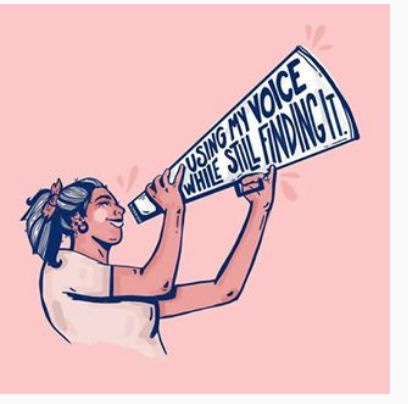
Youth advisory councils, consultations, community discussions, and youth-led initiatives are all ways of creating space for young people to share their perspectives. When done thoughtfully, these spaces allow young people to speak about what is working, what is not, and what might help improve systems moving forward.
Importantly, listening also requires trust.
Young people need to feel that their contributions are not merely symbolic, but genuinely valued. When youth perspectives are taken seriously, the result is often more thoughtful and responsive policies.
A generation learning to participate
Across many communities, young people are increasingly becoming involved in conversations about health, wellbeing, and social systems.
Some join youth advisory groups.
Others contribute to community organisations.
Many simply begin by sharing their experiences in smaller conversations.
These actions may seem modest, but they represent something significant: a generation learning that their perspectives matter.
Participation in these discussions can also have a ripple effect. As young people gain confidence speaking about their experiences, they help shape environments where future generations may feel more comfortable doing the same.
Health systems that reflect real lives
Healthcare systems function best when they reflect the people they serve.
That means recognising that expertise comes in many forms: clinical knowledge, research, professional training, and lived experience.
When young people are included in conversations about health policy, systems become better equipped to understand emerging needs, cultural contexts, and changing social realities.
Policies become more responsive.
Programs become more accessible.
Conversations become more inclusive.
And most importantly, young people begin to see that the systems shaping their lives are not entirely out of reach.
A quiet but meaningful shift
Youth participation in health policy does not always happen in dramatic ways.
Sometimes it begins with a small conversation in a community meeting.
A student speaking about their experience in a school program.
A youth organisation sharing insights gathered from young people.
These moments may seem small, but they represent an important shift: the recognition that young people are not simply recipients of healthcare systems. They are participants in shaping them.
When their voices are welcomed into these conversations, something meaningful happens.
Health policy becomes a little closer to the lives it is meant to serve.
And young people begin to understand that their experiences, questions, and insights have a place in shaping the future of healthcare.
In strength,
The Aletheia Project
Originally published by The Aletheia Project on Medium.