words we don’t translate
Ever tried explaining period cramps to someone in another language and realised… the word just doesn’t exist? You sit there fumbling, trying to say “it’s like pain, but… different,” and eventually give up with a shrug. Or maybe you’ve asked your mum about ovulation, and she just waved it off as “the middle period,” because there isn’t a neat translation.
That’s the thing about body literacy in CALD communities: sometimes the silence isn’t even about shame. It’s about missing words. There just isn’t a word for “endometriosis” in certain languages. Or for “discharge” in a way that separates healthy from unhealthy. Or for “fertility” outside of “making babies.” So what happens when the language you grow up speaking literally doesn’t have space for your pain?
This isn’t about blaming culture. Language is alive, and it grows with what societies value. But when words are missing, silence sneaks in — and that silence has real consequences for girls trying to understand their bodies.
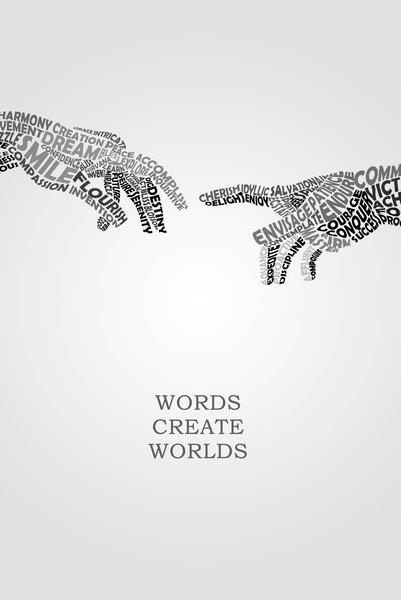
when there’s no word for it
For Amara, 19, Nigerian-Australian:
“When I asked my mum about ovulation in Yoruba, she just said, ‘It’s the time before you bleed.’ That’s it. No details about fertility, cycles, or signs to look out for. Just… the middle time.”
For Linh, 23, Vietnamese-Australian:
“My auntie always called endo pain just ‘women’s problems.’ When I said my cramps were so bad I couldn’t stand, she told me to drink hot tea and be quiet. I didn’t even know there was a name for what I was feeling until I was 20.”
For Fatima, 16, Somali high school student:
“In Somali, we just say ‘caado’ for period. But there’s no separate word for discharge. So when I noticed stuff in my underwear, I thought something was wrong with me. No one told me that sometimes it’s healthy.”
These aren’t just small translation hiccups — they’re huge. Because when a word doesn’t exist, the experience gets blurred into a vague category like “women’s problems” or “unclean.” And when everything is lumped together, girls lose the ability to tell the difference between normal and not normal.
When language skips over ovulation, endometriosis, or PCOS, it’s not just vocabulary that’s missing. It’s validation. It’s the ability to walk into a doctor’s office and say, with confidence, “This is what’s happening to me.”
the cost of silence of language
When the words aren’t there, silence steps in to fill the gap. And silence, as we’ve heard again and again, has a cost.
Zara, 21, Pakistani-Australian uni student:
“I was using a translator app to help my mum understand my doctor’s notes about PCOS. But when I typed in ‘ovulation,’ it just spat out something like ‘egg time.’ My mum laughed, and then she brushed it off. How do you explain something serious when the word sounds like a joke?”
Maria, 47, Chilean mother of three:
“In Spanish, we do have the word for discharge, but in my family, no one used it. They just called everything ‘sucio’ — dirty. So when I had an infection as a teenager, I kept quiet. I thought it was my fault.”
Yasmin, 18, Egyptian-Australian student:
“Whenever I tried to tell my mum about cramps, she’d just say ‘That’s womanhood.’ Like, end of story. So when I fainted from pain at school, I still thought it was just part of being female. I didn’t know the word ‘endometriosis.’”
When pain is unnamed, it becomes invisible. And when everything from discharge to fainting cramps gets filed under “just being a woman,” girls learn to swallow their questions, doubts, and fears. Without language, health literacy gets replaced by myths.
what translation misses
Even when the words do exist, they don’t always carry the same meaning. Translation can flatten, simplify, or erase the nuance.
Aisha, 29, Sudanese community worker:
“In Arabic, we use ‘haml’ for pregnancy, but there isn’t a common word for ovulation. Fertility is always framed around babies, never about health. So when I tried to explain cycle tracking to teens in my program, their mothers laughed. They said, ‘Why should she learn that before marriage?’”
Kayo, 54, Japanese grandmother:
“Menopause is just called ‘konenki’ — literally, the change of years. It sounds like a door closing. No one talks about the process or the symptoms, just the fact that it’s ‘the end.’”
Sofia, 25, Colombian-Australian queer woman:
“Even when I taught my mum the word ‘endometriosis’ in English, it didn’t land. In Spanish, she still just says ‘dolor de mujeres’ — women’s pain. It’s like the word doesn’t stick if the culture doesn’t have space for it.”
And that’s the heart of it: words don’t just carry definitions. They carry culture. They carry values. So when translations reduce everything to “dirty,” “normal,” or “the end,” what’s lost isn’t just vocabulary — it’s recognition. It’s the chance for girls to see their bodies as complex, worthy of care, and valid in their pain.
Words are mirrors. They show us what society thinks is worth naming. When the mirror is missing, girls grow up doubting if their reflection — their pain, their cycles, their health — is even real. Sometimes the words of language is the biggest betrayal of all.
mothers, aunties, our community
When the words don’t exist, families fill the gaps however they can. Sometimes with metaphors, sometimes with silence, sometimes with warnings that are meant as care but land as shame.
Noura, 42, Lebanese mother of four:
“My aunties would never say ‘period.’ They’d call it ‘the visitor.’ Like it was a guest who showed up once a month. It made me feel like my own body wasn’t mine, like I had to hide what was happening.”
Mei, 20, Chinese-Australian student:
“My grandma told me my body was like a garden — bleeding was the soil renewing itself. Beautiful, right? But when I asked her about PCOS, she had no words. The metaphor only went so far.”
Anjali, 33, Hindu mother:
“We used nicknames for everything. ‘The red days,’ ‘the bad belly,’ ‘the change.’ But no one ever taught me words like ovary or cervix. When I went to the doctor in Australia, I couldn’t even explain what hurt, because I didn’t know the terms.”
Leah, 27, Jewish-Australian:
“In my family, sex was never mentioned. Periods were whispered about, fertility was only about babies, and anything else was ignored. The silence wasn’t meant to harm us, but it left us unprepared.”
The ways mothers and aunties try to explain bodies show both love and limits. Metaphors can be comforting, but they can’t replace medical vocabulary. Silence can feel protective, but it leaves girls guessing. And what we inherit is often not truth, but fragments.
reclaiming language
The gaps don’t have to stay gaps. We can build bridges between cultures, languages, and health literacy — and make space for words where they didn’t exist before.
-
Bilingual resources: Create posters, zines, or workshops where terms like “ovulation,” “discharge,” “endometriosis,” and “PCOS” are written in both English and the community’s language. If a word doesn’t exist, coin one. Add it to the family vocab.
-
Teach-back moments: After appointments, encourage girls to explain what they learned in both languages. When you say “endo” out loud in English and then try to explain it at home, the word sticks, and it plants a seed.
-
Use transliteration: Even if the word feels “foreign,” repeating it makes it normal. It’s okay if it sounds clunky at first — that’s how new words become part of everyday speech.
-
Community-led conversations: Mothers, aunties, elders can be part of this shift. When they’re given language, they can pass it on. When silence breaks, whole families get louder.
Expanding language doesn’t mean abandoning culture. It means loving it enough to let it grow. Words like ovulation and endometriosis deserve a place at the dinner table, in our languages, and in our everyday speech — because girls deserve to know their bodies, not just endure them.
Aletheia’s Reminder
Language is never just words — it’s power. When a word exists, it gives shape to an experience. It makes pain visible. It makes cycles understandable. It makes conversations possible. But when a word is missing, silence sneaks in. Girls are left describing their bodies in half-sentences, metaphors, or whispers. And eventually, that silence teaches them that maybe their pain isn’t real, maybe their questions aren’t valid.
But the truth is: words can be created. They can be borrowed, translated, stretched until they fit. Every time someone says ovulation out loud in a language that doesn’t have a neat word for it, they make space for it to exist. Every time a girl teaches her mum or auntie what endometriosis means, she isn’t just passing on information — she’s rewriting the family dictionary.
Culture doesn’t break when we add new words. It grows. And with every new word we make room for, we open doors: to better healthcare, to honest conversations, to girls who don’t have to sit in shame wondering if what they’re feeling is “normal.”
Because once the words exist, so does the possibility of being heard.
Your voice and fire,
The Aletheia Project
Originally published by The Aletheia Project on Substack.