body literacy through generations
If you want to understand how girls learn about their bodies, you can’t just look at textbooks or school curriculums. You have to listen to kitchens, living rooms, church halls, whispered conversations in bedrooms. You have to ask mothers, aunties, and grandmothers what they passed on — or what they didn’t.
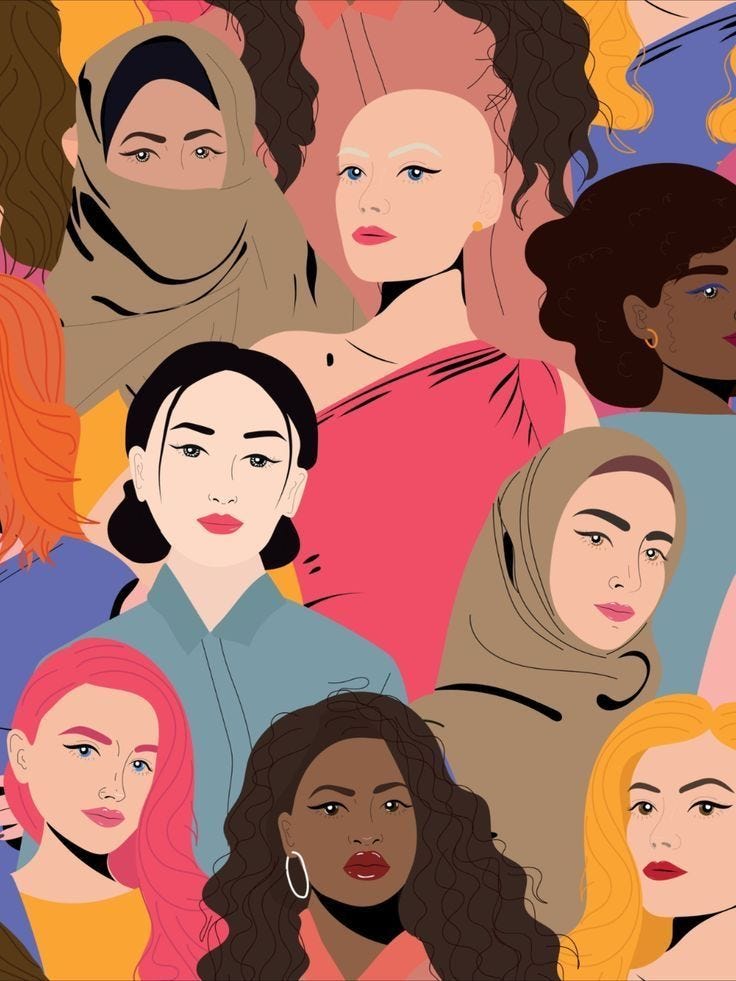
When we spoke to women across cultures, ages, and backgrounds, the stories were wildly different. Some laughed as they remembered learning everything from their aunties in one night. Some got teary because no one ever told them a single thing. Some held herbs, remedies, and rituals from their grandmothers like treasure. Others inherited only silence.
Each story stands alone. Together, they paint a picture: of how cultural silence can make pain feel “normal,” of how whispers shape what we believe about our bodies, of how knowledge can be either lost or celebrated as it moves through generations.
This blog isn’t just one voice. It’s a chorus. Each story here matters because it shows that body literacy is never just medical — it’s cultural, personal, and deeply generational.
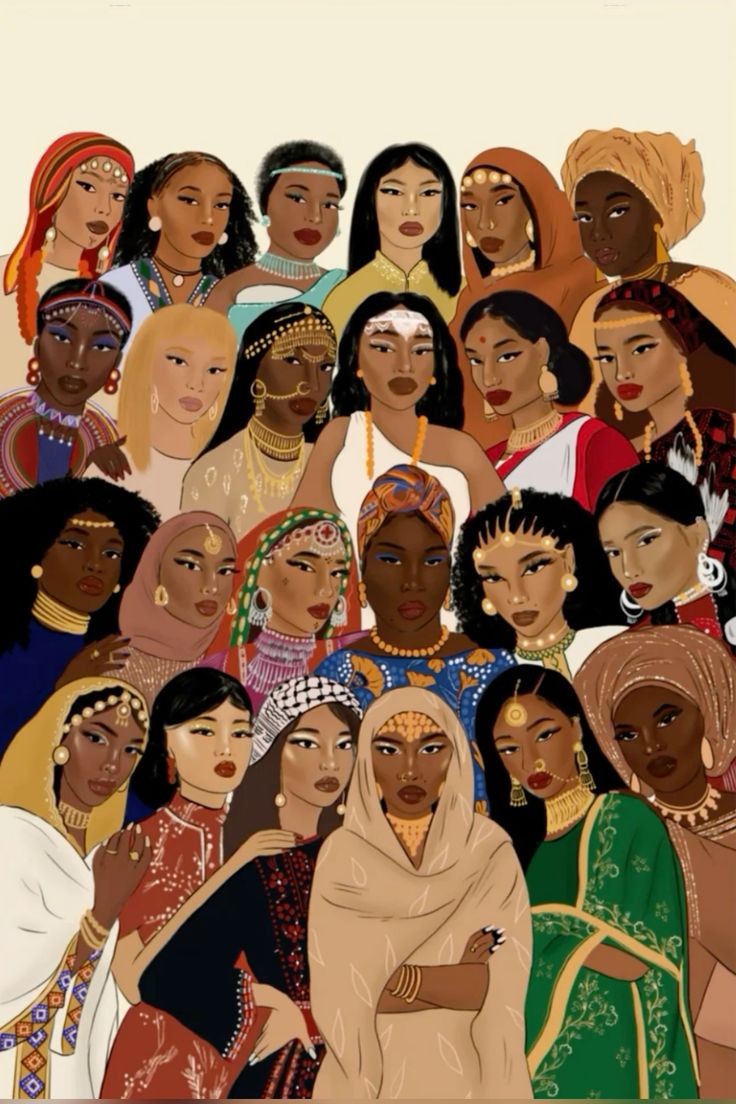
Silence as Inheritance
Margaret, 72, Anglo-Australian grandmother:
“We never talked about periods in my house. When I first bled, I thought I was dying. I remember crying in the bathroom, and my mother just slipped a pad under the door. That was it. No words, no comfort. I didn’t even know the word ‘menstruation’ until years later.”
Anika, 48, South Asian mother:
“My mum handed me a pad one day and told me not to ‘bother the men’ in the house about it. That was my whole education. I carried that silence with me, and for years I felt dirty every month. Even when my cramps left me fainting, I thought, ‘this must just be normal.’”
Amina, 55, Muslim auntie from Somalia:
“We were raised never to mention our bodies, especially around men. You learned what you could from older girls, in whispers at school. I didn’t know what ovulation was until my twenties. Fertility, discharge, pain — it was all a secret. To ask questions felt shameful.”
Aletheia’s Commentary:
Silence itself is an inheritance. When nothing is said, the lesson is that your body is something to hide. Generations of women have carried that silence like a shadow — mistaking pain for normalcy, mistaking secrecy for modesty, mistaking confusion for weakness. These stories remind us that not being told anything is still a form of education — one that leaves girls vulnerable to shame, dismissal, and myths that last for decades.
Knowledge Passed in Whispers
Eleni, 63, Greek-Australian grandmother:
“When my daughter got her first period, I sat her down and explained the basics. But even then, I kept my voice low. My mother never told me anything, so whispering felt like rebellion. Still, I couldn’t bring myself to say certain words out loud. It was like the walls might hear.”
Maya, 16, CALD teenager (Filipino background):
“My mum didn’t sit me down for a big talk. She’d leave pamphlets on my bed or send me YouTube links. I know she wanted me to know, but we never actually talked. I guess she was embarrassed, and so I ended up Googling everything anyway.”
Rosa, 41, Catholic mother of three:
“I told my daughters about periods, but I skipped over sex. In my family, that was forbidden. I said, ‘Your body will bleed every month, but don’t let anyone touch you.’ Looking back, I gave them half a story. I wish I’d had the courage to give them the whole thing.”
Sofia, 27, Colombian-Australian queer woman:
“My aunties taught me how to use pads and whispered warnings about boys, but no one ever said the word ‘lesbian’ or explained queer bodies. I had to figure that out alone. It felt like there was this whole chapter of body literacy I wasn’t allowed to read.”
Aletheia’s Commentary:
Whispered knowledge is not the same as silence — but it still sends a message: this is something you should hide. Even when information is shared, if it’s wrapped in shame or delivered in half-truths, it tells girls that their bodies are something to be managed quietly, behind closed doors. This is where stigma gets passed on — not just through what’s missing, but through how it’s spoken.
Sprinkles of truthful wisdom
Lina, 35, Lebanese-Australian mother of two:
“My mother was blunt. She said, ‘Periods hurt. Take Panadol. Don’t let anyone shame you for it.’ That honesty was a gift. When my daughter got hers, I tried to do the same — straight up, no embarrassment. She rolled her eyes, but later she thanked me for not making it weird.”
Khadija, 22, Somali student nurse:
“In my family, aunties were the real teachers. They showed us how to track cycles using the moon, how to drink teas that helped with cramps, how to read the body’s signs. It wasn’t medical, but it was wisdom. When I studied nursing, I realised they weren’t wrong — they were just using their own language of care.”
Michelle, 58, Aboriginal elder:
“We teach the girls about ‘women’s business.’ When they start bleeding, we bring them into ceremony, give them space to talk to aunties and cousins. It’s about respect. It’s about honouring their bodies, not hiding them. Colonisation tried to erase that, but we’re bringing it back.”
Freya, 19, white Australian uni student:
“My grandma was a midwife. She told me everything — periods, childbirth, menopause. She was like a walking textbook. Sometimes it was TMI, but I never felt ashamed of asking. I realised later how rare that was compared to my friends.”
Anu, 44, Hindu mother of three:
“In my family, periods weren’t taboo. My mum cooked special foods for us when we bled. She’d say, ‘You need strength now.’ That care made me think of my body as something worth nurturing, not punishing.”
Leila, 30, Palestinian-Australian:
“My dad was actually the one who explained puberty to me, because my mum was too shy. At first I was mortified, but looking back, it taught me that men can be part of body literacy too. It doesn’t have to be only women passing down knowledge.”
Aletheia’s Commentary:
Here, knowledge became a form of power — something to be shared, not hidden. Whether it came through ceremonies, herbs, midwives, or blunt honesty, these women inherited not shame, but tools. What stands out isn’t just the facts they were told, but the tone: open, practical, sometimes even celebratory. That tone matters. It makes the difference between body literacy being a weight and body literacy being a gift.
Myths, Taboos, and Misinformation
Nalini, 50, Indian-Australian mother:
“I was told not to touch the pickle jars when I was bleeding — that my period blood would spoil the food. I grew up believing I was dirty. Even when I became a mother, part of me still felt guilty cooking during my cycle.”
Grace, 34, Nigerian-Australian Christian woman:
“My pastor’s wife once said periods were ‘Eve’s punishment’ and that pain was just part of God’s plan. When I started fainting from cramps, I thought it was a spiritual test. It took me years to realise it was endometriosis.”
Min-Ji, 26, Korean international student:
“My grandmother told me drinking cold water during my period would make me infertile. I was so scared I avoided ice cream for years. When I finally learned the truth, I felt cheated — like I’d wasted years being afraid of my own body.”
Sara, 39, Egyptian Muslim mother of four:
“My mother told me if I talked about my period, people would think I was promiscuous. Even in marriage, I carried that shame. It made it so hard to talk about fertility struggles — I thought silence was safer than being judged.”
Emily, 21, white Australian uni student:
“At school, girls told each other that you couldn’t get pregnant the first time you had sex. We all knew someone who believed it. I still remember a friend crying in the bathroom after her first time, thinking she was safe, only to find out she wasn’t.”
Farah, 17, Lebanese high school student:
“When I complained about cramps, my aunties said, ‘That’s just what being a woman is.’ No one mentioned endo or PCOS. So when I missed days of school, I thought it was my fault for not being tough enough.”
Aletheia’s Commentary:
Myths are not harmless. They shape how girls eat, move, love, and speak. They can keep us in silence, in pain, and in fear. What’s striking across these voices is how myths are often framed as “care” — don’t eat this, don’t do that, don’t speak of this. But what they really do is keep girls away from the truth. And when truth is replaced by taboo, health literacy collapses before it even begins.
Breaking the Chain
Isabella, 15, Italian-Australian high school student:
“My mum never really talked about periods, so when I got mine, I sat her down and asked questions instead. She was shocked — like no one had ever asked her before. Now she asks me what I’ve learned from TikTok doctors or school, and we kind of swap knowledge. It feels like I’m teaching her too.”
Zahra, 18, Pakistani-Australian uni student:
“When my little cousin got her period, I told her about pads, tampons, cramps, all of it. I didn’t want her to go through the same silence I did. My auntie frowned at me for being ‘too open,’ but honestly? I’d rather she roll her eyes at me than sit in shame.”
Chloe, 23, queer white Australian:
“When I came out, I realised my family had no language for queer bodies. So I brought books, podcasts, TikToks to the dinner table. At first it was awkward, but now my mum asks questions. We’re both unlearning the silence together. It’s slow, but it’s happening.”
Leanne, 29, Torres Strait Islander woman:
“My grandmother passed down traditional knowledge, but also shame around talking about sex. I’ve decided to keep the wisdom and leave the silence behind. When my niece asks, I tell her everything I know. She deserves to start with truth, not fear.”
Mariam, 17, Sudanese-Australian high school student:
“I made a group chat with my friends where we just share period hacks, memes, and what worked for us. It sounds silly, but it’s the first time I felt like talking about cramps and blood was normal. We’re building the education we weren’t given.”
Aletheia’s Commentary:
This is what breaking the chain looks like — not one giant revolution, but hundreds of small choices: a girl sitting her mum down, a cousin passing on real info, a queer daughter teaching her family new words, a group chat where silence is swapped for honesty. These shifts might look small, but they’re seismic. Because when one girl refuses to carry the silence, everyone around her feels the ripple.
Aletheia Reflection
So what do all these stories actually show us? That body literacy isn’t just about knowing the right medical terms — it’s about how those words (or the lack of them) travel through families. Some of us got nothing but silence. Some got half-whispers or scary myths. A few got rituals, remedies, or straight-up honesty. And each of those shaped how we saw our bodies before we ever opened a health textbook.
When silence is passed down, you end up thinking your pain is “just how it is.” When myths are passed down, you spend years avoiding ice water or believing your cramps are God’s punishment. When half-truths are passed down, you feel like you’re walking around with puzzle pieces missing, too embarrassed to ask anyone to fill the gaps. And that doesn’t just affect what you know — it affects how confident you feel to speak up when something’s wrong.
But here’s the hopeful part: the chain isn’t unbreakable. The younger girls and women we heard from are already changing the script. Sitting their mums down for awkward-but-real chats. Teaching cousins how to track cycles. Sharing TikToks and group chat memes that make cramps feel less isolating. Even bringing queer and CALD language into homes where it never existed before.
And that’s the big takeaway: body literacy through generations is messy. It’s silence, whispers, myths, remedies, honesty, memes, and resistance — all at once. But every time one person decides not to keep the silence going, something shifts. And those shifts pile up until a whole new culture starts to grow.
Aletheia’s Reminder
Your story doesn’t have to look like your mother’s, or your auntie’s, or your grandmother’s. If you were handed silence, you’re allowed to choose words. If you were handed shame, you’re allowed to hand back pride. If you were handed myths, you’re allowed to pass down truth instead.
Generations don’t just pass down DNA — they pass down the stories we believe about our bodies. And the beautiful thing is, those stories can change. Every question you ask, every conversation you start, every time you say “actually, this isn’t normal for me,” you’re rewriting what the next girl will inherit.
The silence might run deep, but your voice runs deeper. And when you use it, you’re not just speaking for yourself — you’re echoing forward, reshaping what “normal” will mean for someone else.
Because body literacy isn’t a solo journey. It’s a chain, and you are strong enough to make your link a little brighter, a little freer, a little more honest. And that matters.
Here for you, always.
Love, The Aletheia Project
Originally published by The Aletheia Project on Substack.