girls in sport: invisible barriers
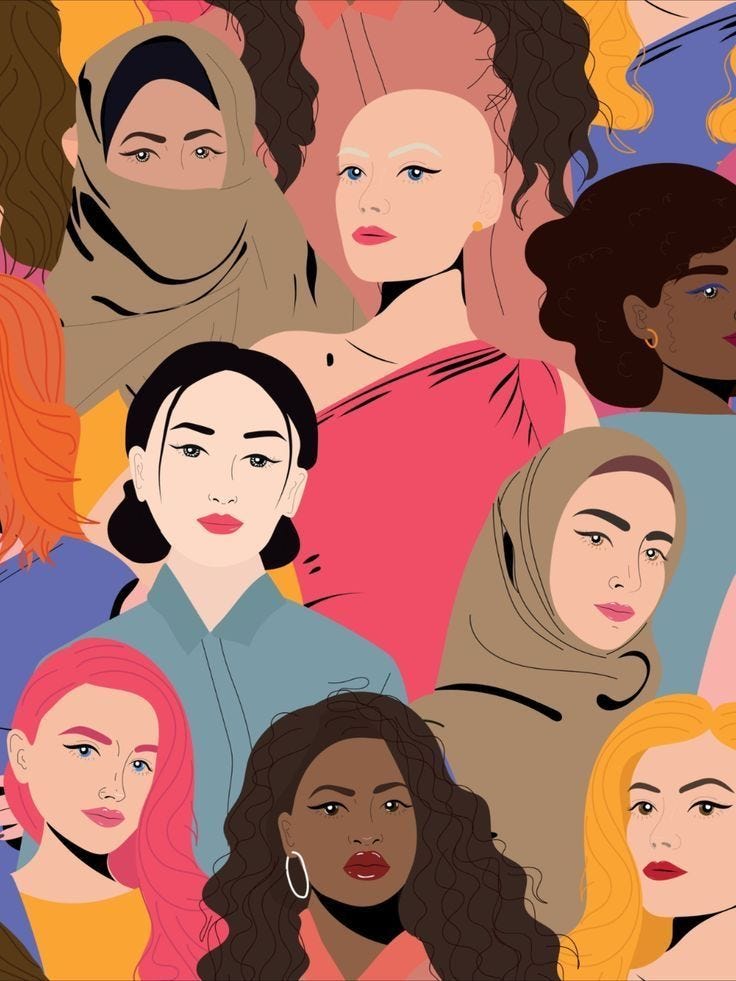
the invisible patients
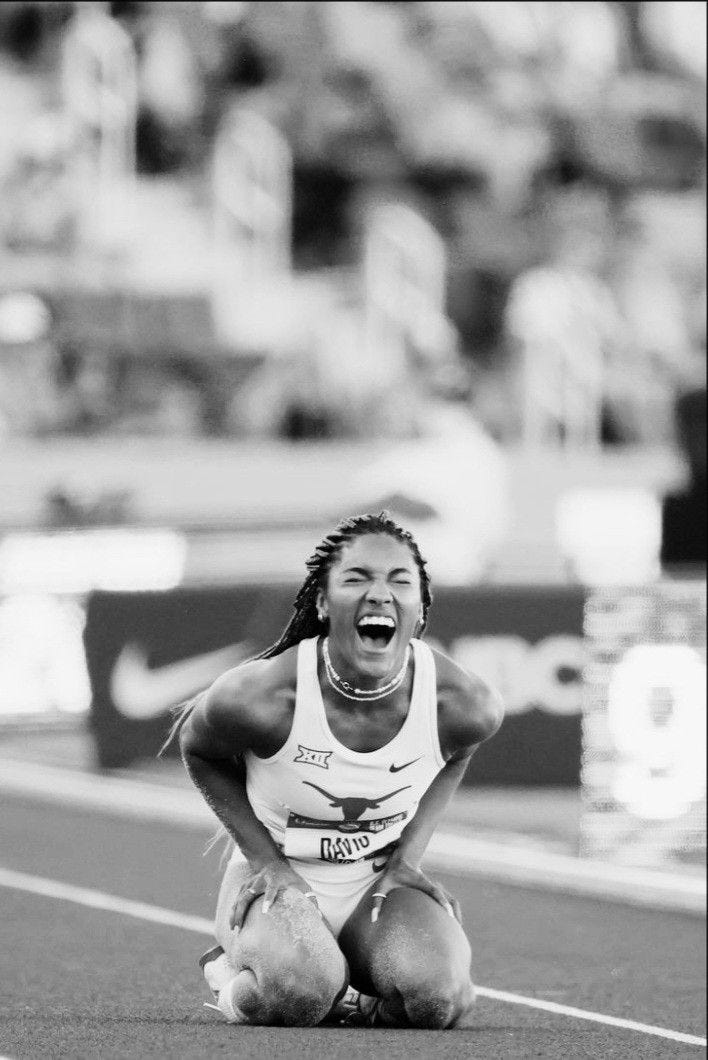
If you’ve ever played sport as a girl, you know the vibe. Someone’s got a heat pack tucked into their hoodie at training. Someone else is limping through drills with a taped-up ankle because “coach said it’s just a sprain.” Someone hasn’t eaten since breakfast but laughs it off with a “nah, I’m fine.”
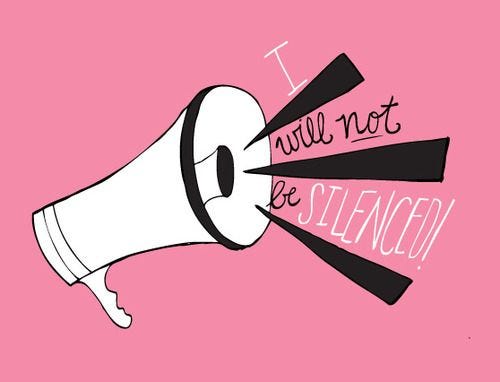
We call it being tough. Being committed. “Pushing through.” But here’s the truth nobody says out loud: a lot of the time, it’s actually silence. Silence about period pain, about injuries, about the pressure to look a certain way. Silence that costs girls their health, their confidence, and sometimes even their spot on the team.
Sport is supposed to make us stronger but when pain and struggle get brushed off or hidden, it does the opposite. It teaches girls to doubt their own bodies before doctors ever do. And that’s a loss way bigger than just a missed game.
periods on the field
Picture this: you’re in the middle of a netball game, and it feels like your uterus is trying to kill you from the inside out. But the coach calls your name, and you push through because what’s the alternative? Tell them you can’t play because of cramps? That’s not exactly the kind of thing that gets taken seriously in a team huddle.
Or think about the swimmer who’s doubled over on the changeroom bench because her stomach’s in knots, but she still drags herself into the pool because “no excuses.” Or the runner who’s bleeding through her shorts mid-race and has to just keep going because stopping isn’t an option.
Here’s the thing: period pain isn’t just “a normal part of being a girl.” For some athletes, it’s endometriosis. Or PCOS. Or iron deficiency that leaves them dizzy after every sprint. But when no one talks about it, it all gets shoved into the same box labelled “tough it out.”
And so girls push. They run. They swim. They hide heat packs under jumpers. They swallow painkillers like lollies. And deep down, they wonder: If I can’t even tell my coach this hurts, how will I ever tell a doctor?
unheard injuries
Sports injuries are basically a badge of honour, right? Sprained ankles, bruised shins, taped-up knees. But here’s the catch: when it comes to girls, a lot of injuries don’t get taken seriously.
You roll your ankle in soccer and limp through practice, and the coach says, “Walk it off.” You complain about knee pain after basketball and hear, “It’s just growing pains.” Stress fracture in your foot? Sometimes it’s brushed off as “overtraining” — until it gets so bad you can’t even walk without wincing.
The thing is, female athletes are more prone to certain injuries, like ACL tears. They need proper recovery time and care, not just ice and a pat on the back. But too often, the message is: don’t be soft. So girls tape up, smile through it, and keep playing.
And here’s the dangerous part: when your pain is brushed aside in sport, you learn early to distrust your own body. To wonder if you’re exaggerating. To keep moving even when your bones or muscles are literally begging you to stop.
Injuries don’t just go away because you stay quiet about them. They linger. They get worse. And the silence doesn’t just cost you one season — it can cost you your whole athletic future.
silent epidemic of disordered eating in athletes
Here’s a tough truth: disordered eating in girls’ sport is everywhere, but it rarely gets called out. It hides in plain sight, dressed up as “discipline” or “commitment.”
A runner who skips meals before a big race gets told she’s being “serious about her training.” A gymnast who pushes through practice on an empty stomach is praised for her “focus.” A swimmer who hides her ribs under a baggy team hoodie gets comments about being “lean and fit.”
And because of that, girls learn that lighter = better. That their worth as an athlete is tied to how much space they take up — or don’t. Coaches, parents, even teammates might not realise that the “extra dedication” they’re clapping for is actually harm.
The saddest part? The girls caught in this cycle often look like the “ideal athlete” on the outside, so no one checks in. Their exhaustion gets mistaken for effort. Their weight loss gets mistaken for progress. Their hunger gets mistaken for “mental toughness.”
But inside, it’s a different story: dizziness at practice, fainting after games, stress fractures that won’t heal, bodies that are literally breaking down while everyone keeps saying, “You’re smashing it.”
Disordered eating doesn’t just steal your health — it steals the joy of the sport itself. Training stops being about strength or teamwork and becomes about punishment, about shrinking, about surviving.
Why Silence Costs So Much
When girls don’t speak up — or worse, when they do and no one listens — the cost runs deeper than a missed practice.
On health: untreated period pain can mask endometriosis or PCOS; ignored injuries can turn into permanent damage; skipped meals can spiral into long-term eating disorders. Bodies remember the silence. The effects don’t vanish after the season ends — they show up years later in chronic pain, broken bones that never healed right, or cycles of burnout.
On careers: girls drop out of sport at much higher rates than boys, and it’s not just because of “other interests.” It’s because pain gets normalised, shame gets internalised, and silence feels safer than speaking up. Some of the most promising athletes quit not because they lacked talent, but because no one ever gave them space to be fully human in their sport.
On confidence: when you’re told over and over to “push through” or “stop being dramatic,” you learn to doubt your own signals. That doubt doesn’t just stay on the field — it follows you into doctor’s offices, classrooms, workplaces, relationships. It teaches you that your body’s warnings don’t matter, which is one of the most dangerous lessons a girl can carry into adulthood.
And here’s the hardest part: silence doesn’t make athletes stronger. It makes them invisible.
How We Change the Game
Changing this isn’t just about better medical checkups or stricter training programs — it’s about rewriting the culture of sport so girls feel safe to speak, and heard when they do.
For athletes:
Give yourself permission to listen to your body. Saying “I need a break” or “this hurts” doesn’t make you weak — it makes you smart. Keep a notes app log of your pain or injuries so you’ve got proof when someone brushes it off. And remember, you don’t have to shrink your story to stay on the team.
For coaches:
Create an environment where health is part of training. That means making period talk normal, not awkward. It means asking athletes how they’re feeling, and actually listening to the answer. A “tough” team isn’t one that hides injuries — it’s one that supports recovery.
For schools + clubs:
Bring in body literacy alongside fitness. Imagine a PE class where kids learned not just how to sprint, but also how to track cycles, spot stress injuries, or fuel their bodies properly. That’s not “extra.” That’s the difference between a girl staying in sport or burning out by 16.
For culture as a whole:
We’ve got to stop equating silence with strength. Real strength is speaking up. Real strength is coaches who care about health as much as medals. Real strength is a team where a girl can say, “I’m not okay today,” and still feel like she belongs.
Aletheia’s Reminder
You are not weak for saying you’re in pain. You are not “less of an athlete” for sitting out when your body needs rest. You are not dramatic for pointing out that something feels wrong.
Sport was never meant to teach silence. It was meant to teach teamwork, strength, joy, and pride in what your body can do. And you deserve all of that — not the version where you hide a heat pack under your jumper, tape up your ankle in secret, or train on an empty stomach just to be taken seriously.
The strongest athletes are the ones who know their bodies and respect them. And that strength doesn’t stop at the end of the game, it follows you into every part of your life.
So here’s your reminder: you are not invisible. Your health, your career, your confidence: they’re all worth protecting. Speak up. Take space. You belong in sport, in your fullness, exactly as you are.
Giving you all the strength in the world,
The Aletheia Project
Originally published by The Aletheia Project on Substack.