“she’s just tired, right?”: when someone you love has a new baby
Content note: this post talks about depression, anxiety and thoughts of self-harm after having a baby. If you need support right now, call Lifeline on 13 11 14, Kids Helpline on 1800 55 1800, or 000 in an emergency.
Your sister has just had a baby. Or your cousin, your best friend’s mum, your older brother and his partner. Everyone is cooing over photos. The group chat is full of tiny socks.
And then you notice something. She isn’t laughing at things she used to laugh at. She says she’s fine, but her voice is flat. She hasn’t left the house in days. Everyone keeps saying “she’s just tired, it’s a newborn.”
Maybe that’s all it is. But maybe it isn’t. And you’re allowed to wonder.
This week (22 to 28 November) is Perinatal Mental Health Week, and this year’s theme from PANDA is “Hold The Parent”. It asks friends, family and communities to think about how they can support the new parents in their lives. That includes you, even if you’re 15 and have never changed a nappy.
“Perinatal” is just a fancy word for “around the birth”
Perinatal means the time during pregnancy and the first year after a baby arrives. Perinatal depression and anxiety are mental health conditions that can show up in that window, and they’re more common than most people realise.
The Gidget Foundation says around 1 in 5 mums and 1 in 10 dads or partners experience perinatal depression and anxiety. healthdirect puts postnatal depression on its own at about 1 in 7 women in the first year after having a baby, and up to 1 in 10 fathers.
Read that again: dads and partners too. It isn’t only a “mum thing”, and it isn’t a sign that someone doesn’t love their baby.
Baby blues or something more?
Here’s the part nobody explains properly. Feeling teary and up-and-down in the first days after birth is really common. healthdirect says about 4 out of 5 new mums get the “baby blues” in the first 3 to 5 days, and it usually passes on its own within 10 days.
Postnatal depression is different. The symptoms last longer than two weeks, can be more severe, and usually get in the way of everyday life. Signs listed by healthdirect and the Gidget Foundation include:
- feeling low, flat or numb most of the time
- feeling hopeless, helpless or worthless
- losing interest in people, including the baby
- anxiety or worry that won’t shift
- sleep and appetite changes beyond what a newborn explains
- scary or troubling thoughts that keep coming back
- other people noticing a change
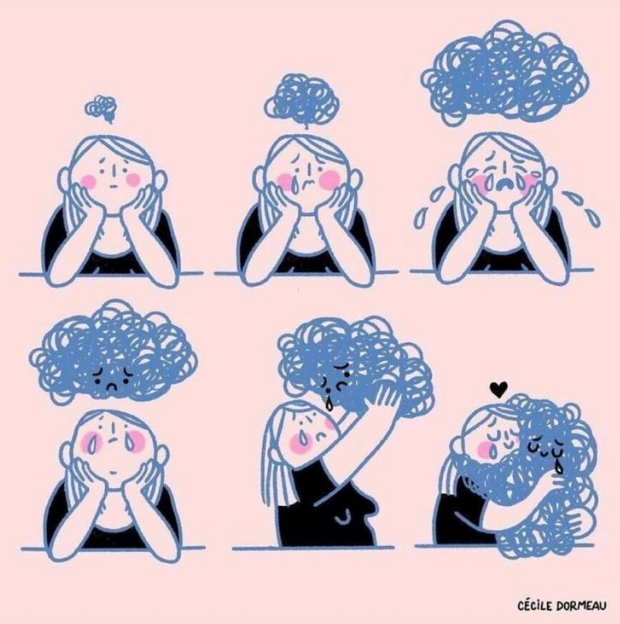
That last one matters. Sometimes the person struggling can’t see it clearly, and the people around them can.
“You don’t need to diagnose anyone. You just need to notice, and to say something kind out loud.”
When it’s an emergency
There’s a rare but serious condition called postpartum psychosis. According to Pregnancy, Birth and Baby, it can come on very suddenly, within hours of giving birth or up to 12 weeks after. Signs can include sudden mood swings, being extremely “up” or talking very fast, not sleeping for days, seeing or hearing things that aren’t there, or believing things that aren’t true.
This is a medical emergency. Call 000 or go to the nearest emergency department. The same goes for anyone talking about harming themselves or their baby. It isn’t overreacting, and it isn’t your job to handle it alone.
Why young people’s eyes matter here
Younger siblings, nieces, nephews and teenage family members are often around a lot when a baby arrives. You might be the one helping with dinner, minding older kids, or just hanging out on the couch. That means you sometimes see things the visitors with flowers don’t.
But young people are also often told, “That’s adult stuff, don’t worry about it.” At Aletheia, we think that’s half right. You shouldn’t carry the weight of an adult’s mental health on your own. But you’re allowed to notice, to care, and to say “I’m worried” to someone who can help.
And some of you reading this are young parents yourselves. If that’s you: struggling after a baby is not a failure, and asking for help is not a confession. It’s health care.
What “holding the parent” can look like
PANDA suggests support can be as simple as helping with practical tasks, checking in regularly, offering encouragement, or just listening without judgement. The Better Health Channel adds offering to babysit, helping around the house, and staying connected, because the days of parenting can be long and lonely.
For a young person, that might look like:
- taking the baby for a walk in the pram so they can shower or sleep
- doing the dishes without being asked
- sending a “thinking of you, no need to reply” text
- asking “how are you going?” instead of only asking about the baby
- sitting with them and not needing them to be cheerful
What you can do
- If you’re worried about someone: tell a trusted adult in your family, or gently say it to the person: “You don’t seem like yourself lately. I’m here.” You can also encourage them to talk to their GP, midwife or maternal and child health nurse.
- Know the numbers: the PANDA National Helpline is 1300 726 306, for expecting and new parents. In Victoria, the Maternal and Child Health Line is 13 22 29 and runs 24 hours.
- Look after yourself too: a new baby changes the whole household. If you’re feeling stressed, ignored or worried, Kids Helpline (1800 55 1800) is there for you, any time.
- In a crisis: call 000, or Lifeline on 13 11 14.
New babies get a lot of attention. Their parents deserve some too. Sometimes the person who notices first is the youngest one in the room.
In voice and solidarity,
The Aletheia Project
This post is general information, not medical advice. If you’re worried about yourself or someone else, talk to a GP or one of the services above.
Sources
- PANDA, Perinatal Mental Health Week 2026: Hold The Parent
- Gidget Foundation Australia, When to seek help during the perinatal period
- healthdirect, Postnatal depression
- Better Health Channel, Postnatal depression (PND)
- Pregnancy, Birth and Baby, Postpartum psychosis
- NSW Health, Signs and symptoms of perinatal mental health issues